
What Are Brand Archetypes?
Archetypes are timeless human patterns. They come from Jungian psychology and describe the stories, desires, and values that show up across every culture, time period, and generation.
When applied to branding, archetypes give companies a personality that people can instantly understand and connect with.
There are 12 main archetypes, but the magic lies in how they mix, match, and show up in different industries. Get them right, and your brand doesn’t just look consistent: it feels alive and becomes unforgettable.
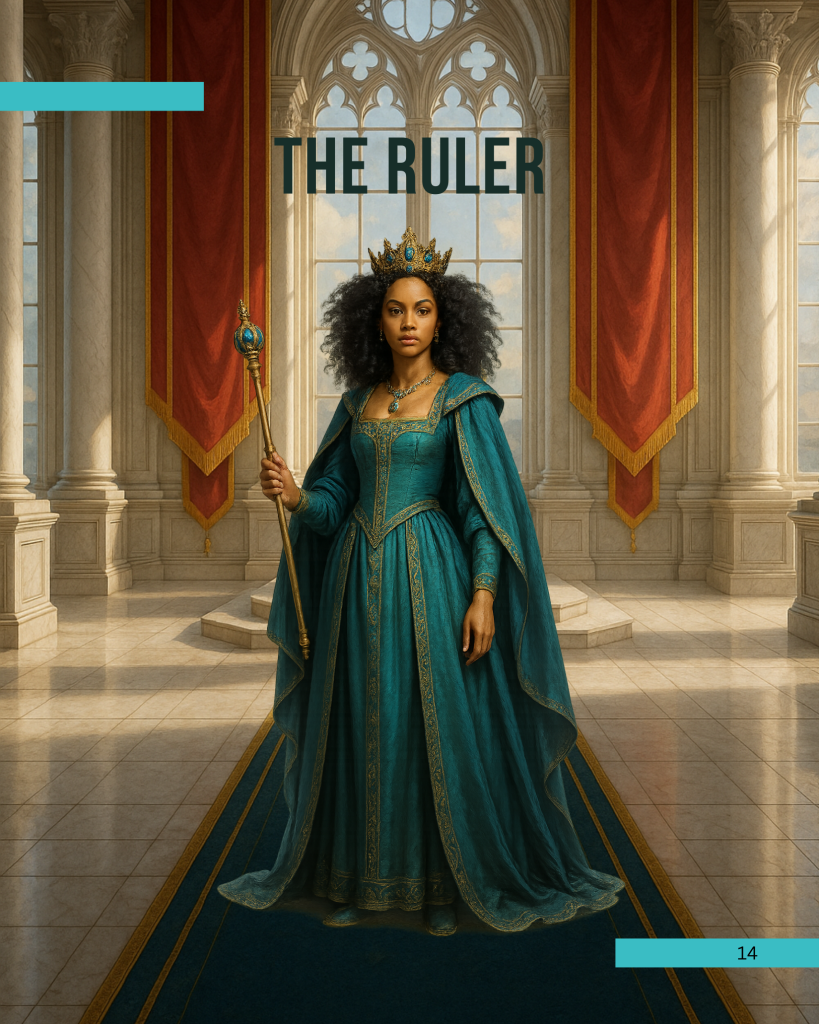
Think Chanel, both the Ruler defining timeless luxury and the Lover devoted to beauty and desire.
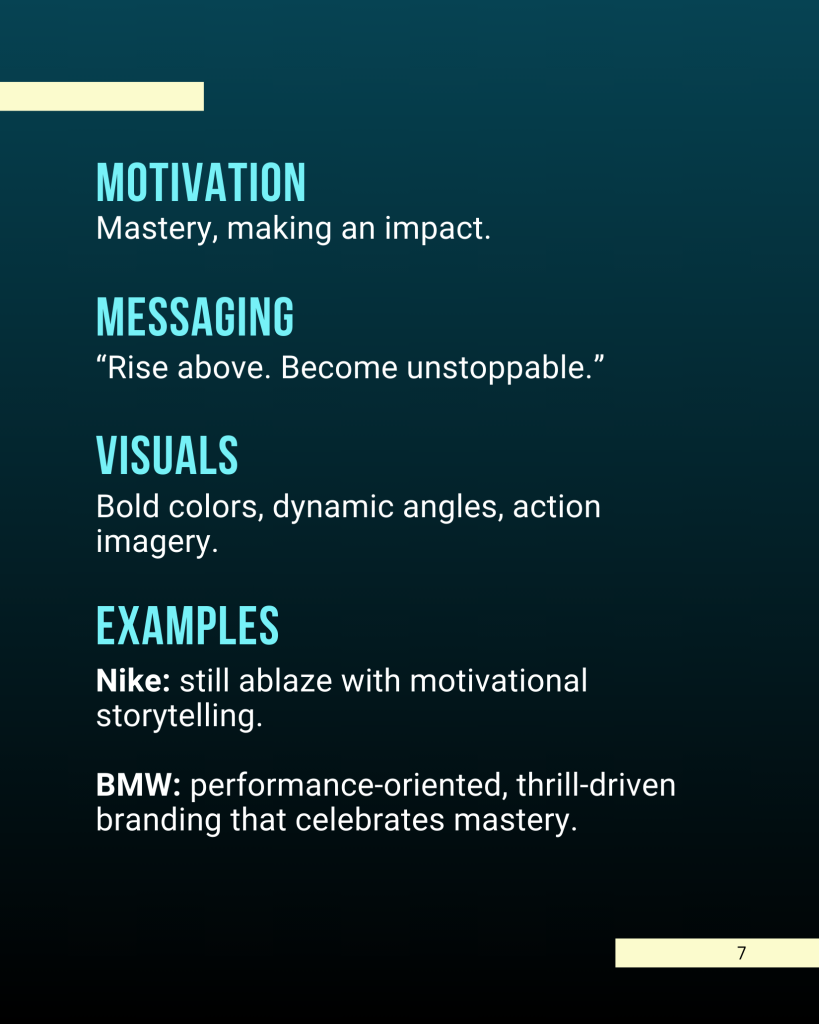
Nike, the Hero inspiring us to push beyond limits.
Apple, the Creator blending art and innovation.
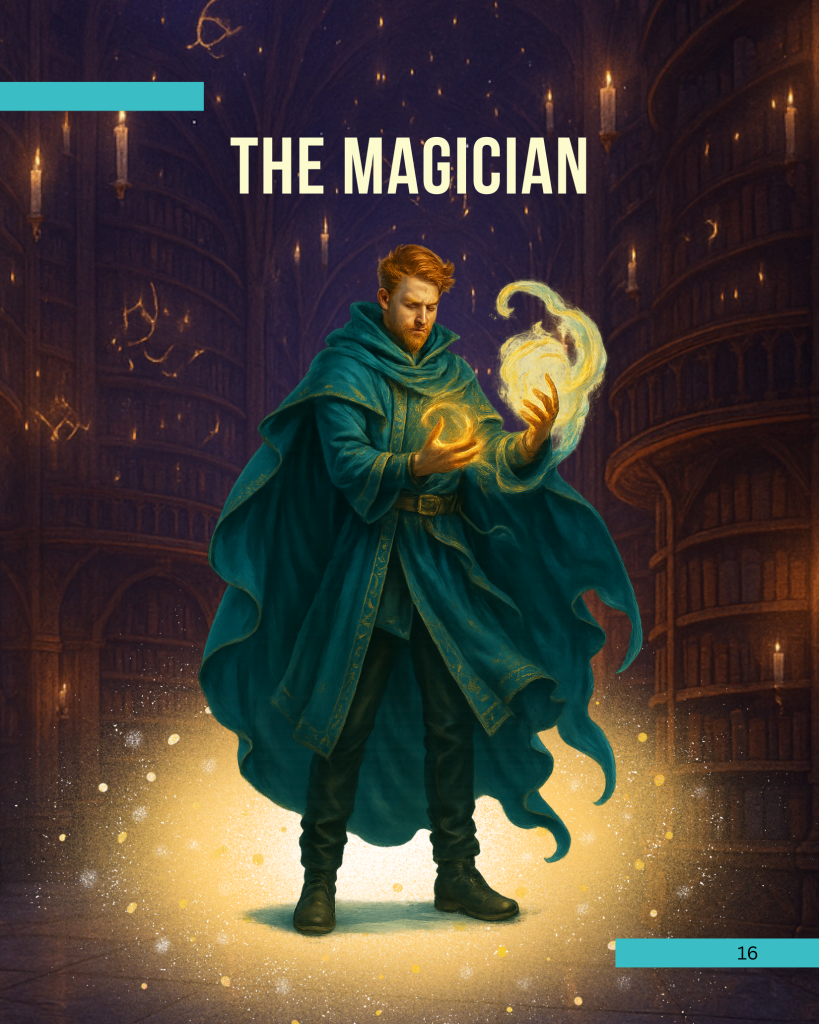
Disney, the Magician creating worlds of imagination.
These brands don’t just “look nice.” They’re built on something deeper: brand archetypes. And in this guide, I’ll show you how to use them to clarify your own brand personality.
Why Archetypes Matter for Your Brand
Without an archetype, a brand can feel flat or confused. Maybe the visuals look “fine” but don’t carry emotional weight. Maybe the messaging shifts depending on who’s writing it that day. Maybe customers admire the product but never feel loyal to the company behind it.
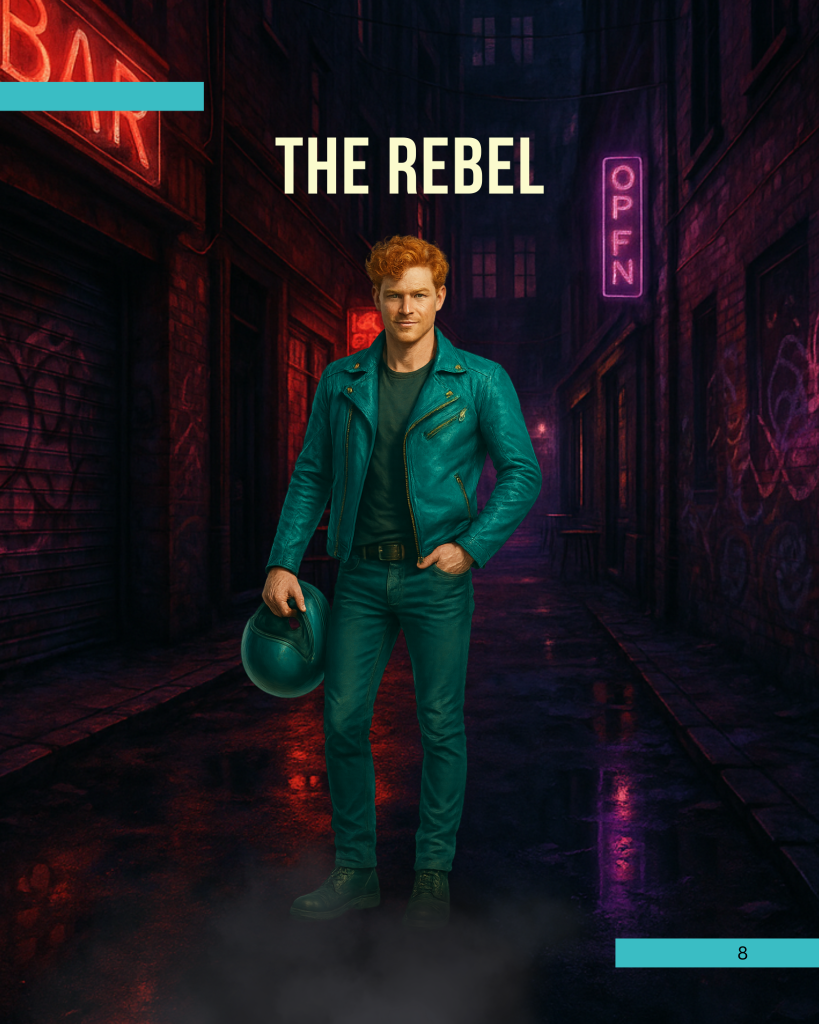
That’s the power of archetypes: they give your brand a clear identity that goes beyond surface aesthetics. A Sage brand like TED shows up with authority and credibility. A Rebel brand like Harley-Davidson instantly signals freedom and rule-breaking. A Lover brand like Magnum makes you feel indulgence before you’ve even opened the wrapper.
Archetypes make branding consistent, memorable, and emotionally magnetic.
Walking the Talk: My Own Archetype Analysis
I believe in practicing what I preach. So I put my own brand through an archetype analysis, and here’s what came back:
1. Main Archetype: Creator
2. Secondary Archetypes: Sage + Hero
Spot on. That’s exactly how I operate.
As a Creator, I thrive on building, innovating, and bringing new ideas into the world.
As a Sage, I lean on data, strategy, psychology, neuroscience and other knowledge to guide others with clarity.
As a Hero, I empower myself and my clients to stretch beyond limits, to do the hard work of transformation.
And it makes sense. Those are the people who naturally resonate with me: Creators, Sages, Heroes, and their close allies (the Magician, Explorer, Ruler, Rebel, and even the Everyperson seeking growth). No wonder these are the clients and collaborators I love working with most.
So, what about You?
If every unforgettable brand has a personality, what’s your brand’s?
Are you a Rebel ready to disrupt an industry?
A Lover wanting to seduce your audience with beauty and desire?
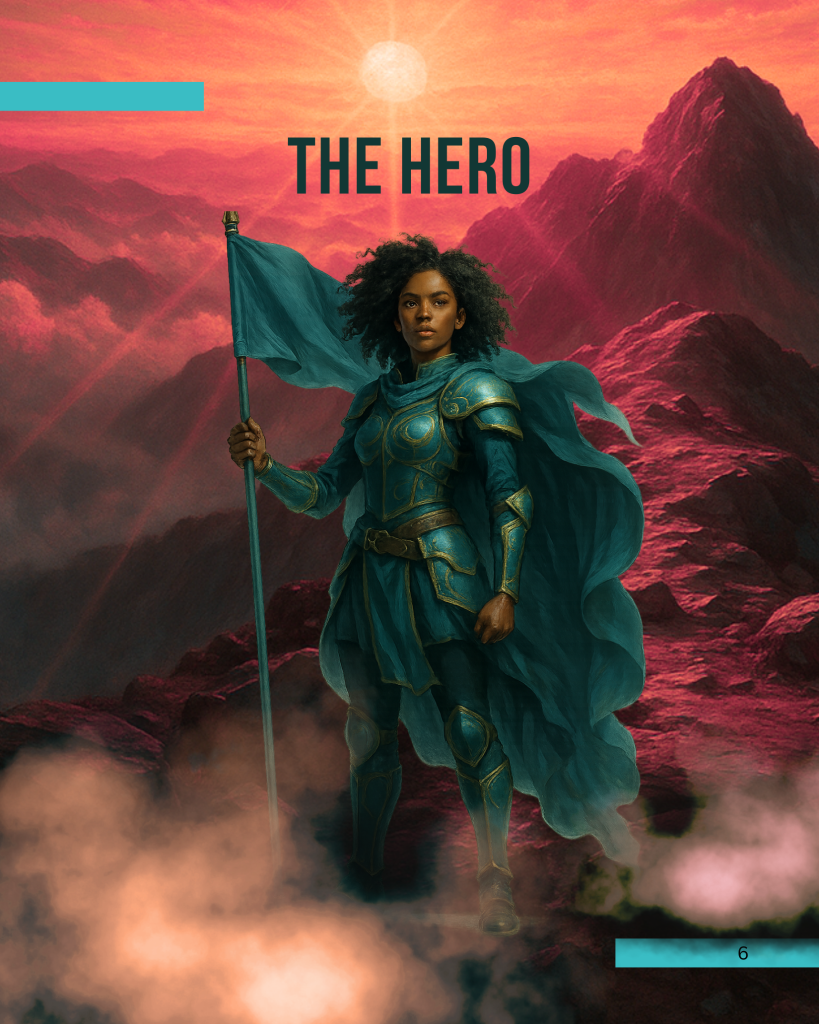
A Hero charging into the world with purpose and grit?
Or perhaps a Sage, building trust by teaching what you know?
Knowing your archetype is more than a branding exercise. It’s a way to show up consistently, attract the right people, and build authentic emotional connections that last.
Because when your brand personality is clear, people don’t just buy your product.
They believe in your story.
How to Find Your Brand Archetype
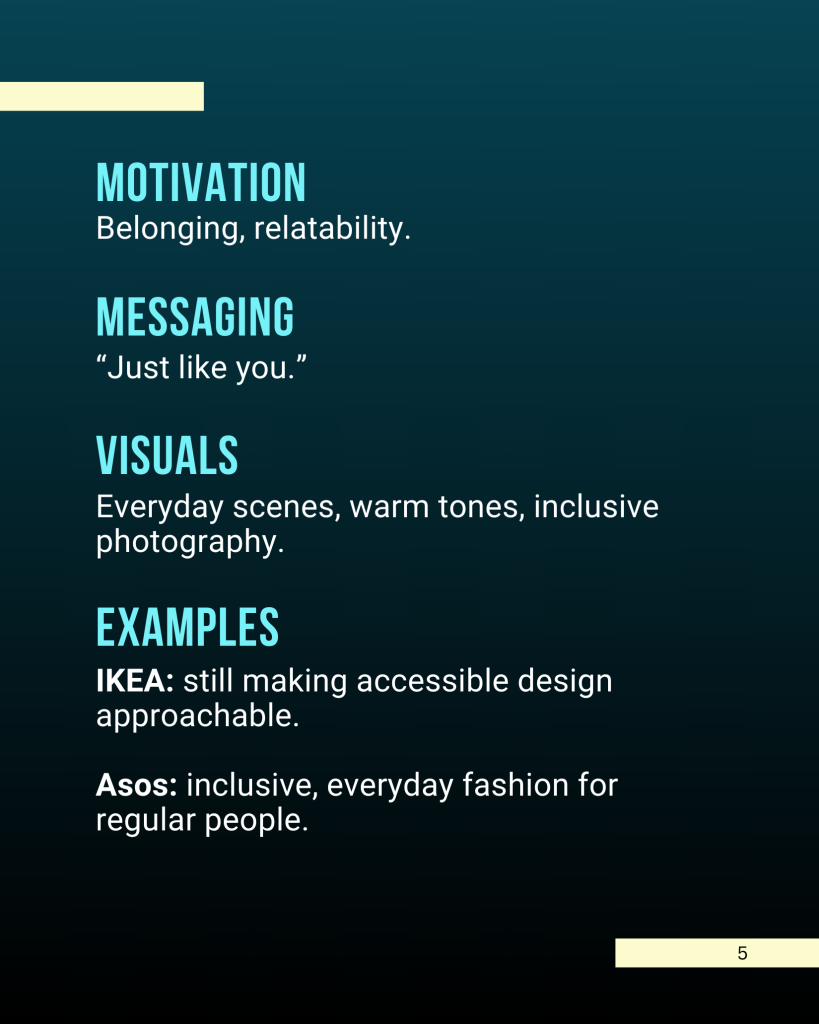
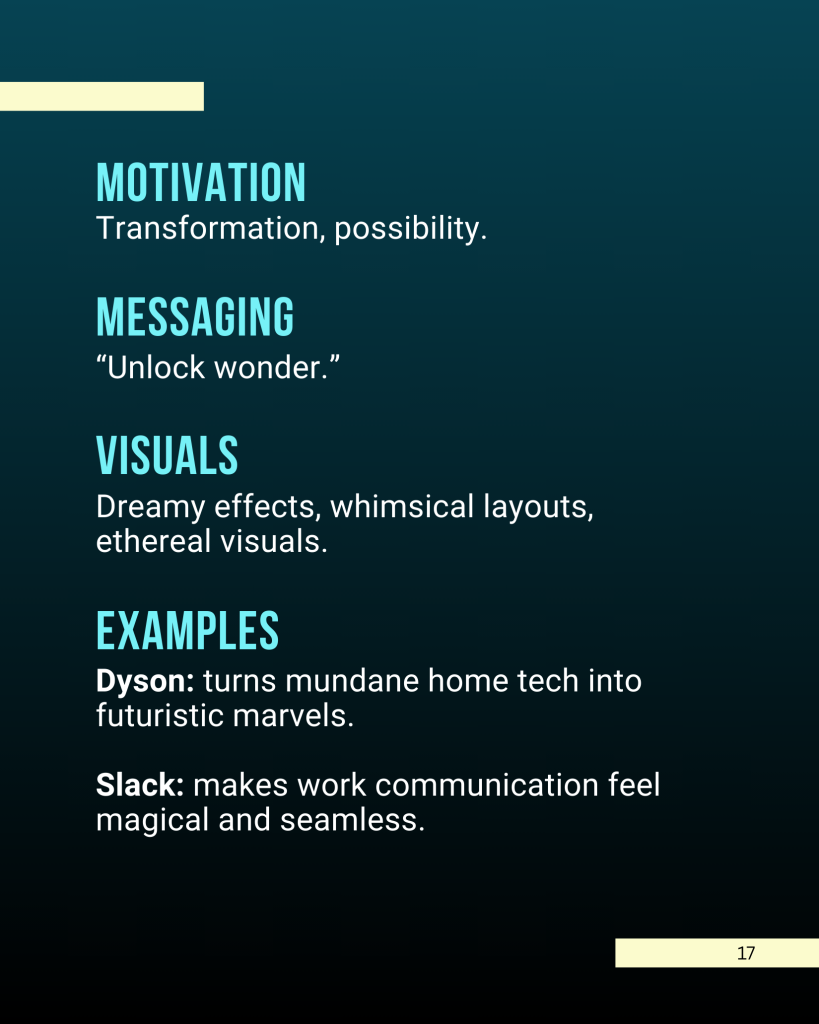
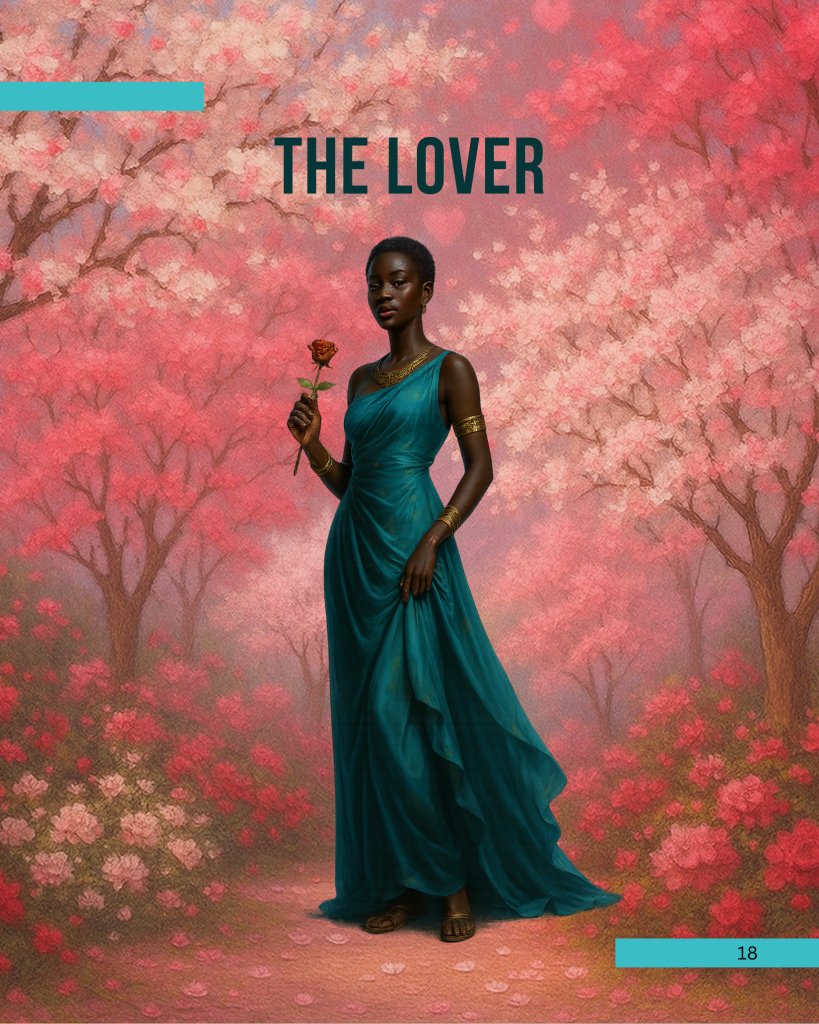
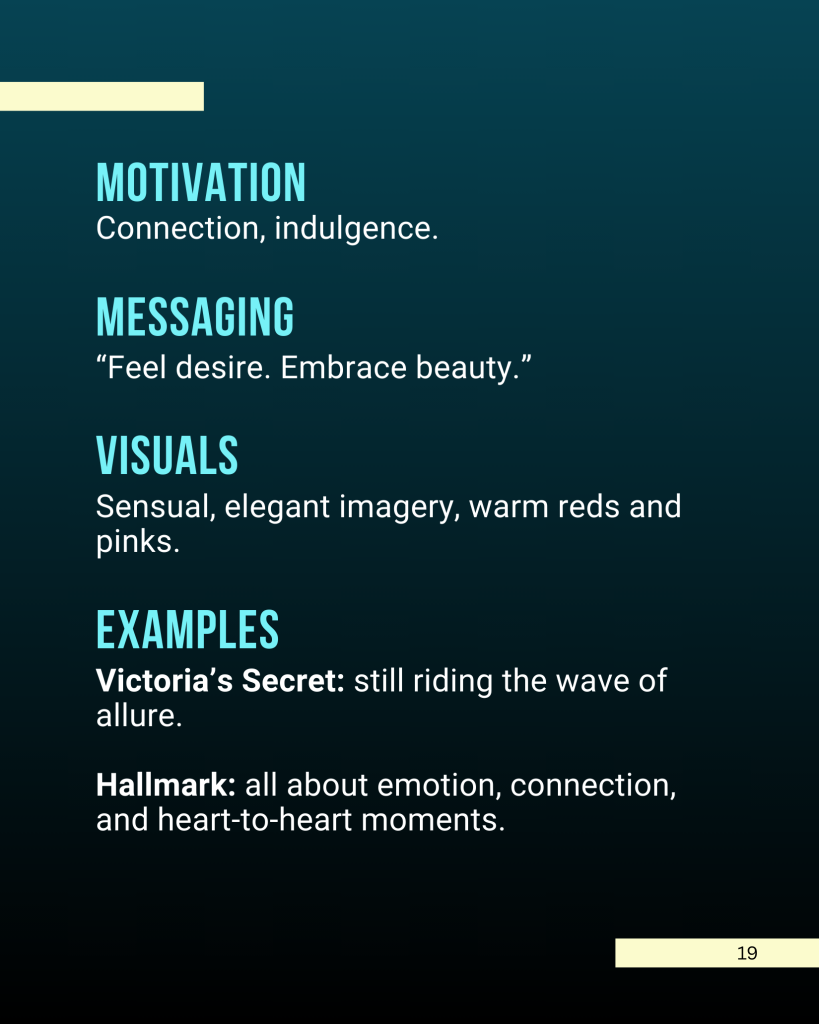
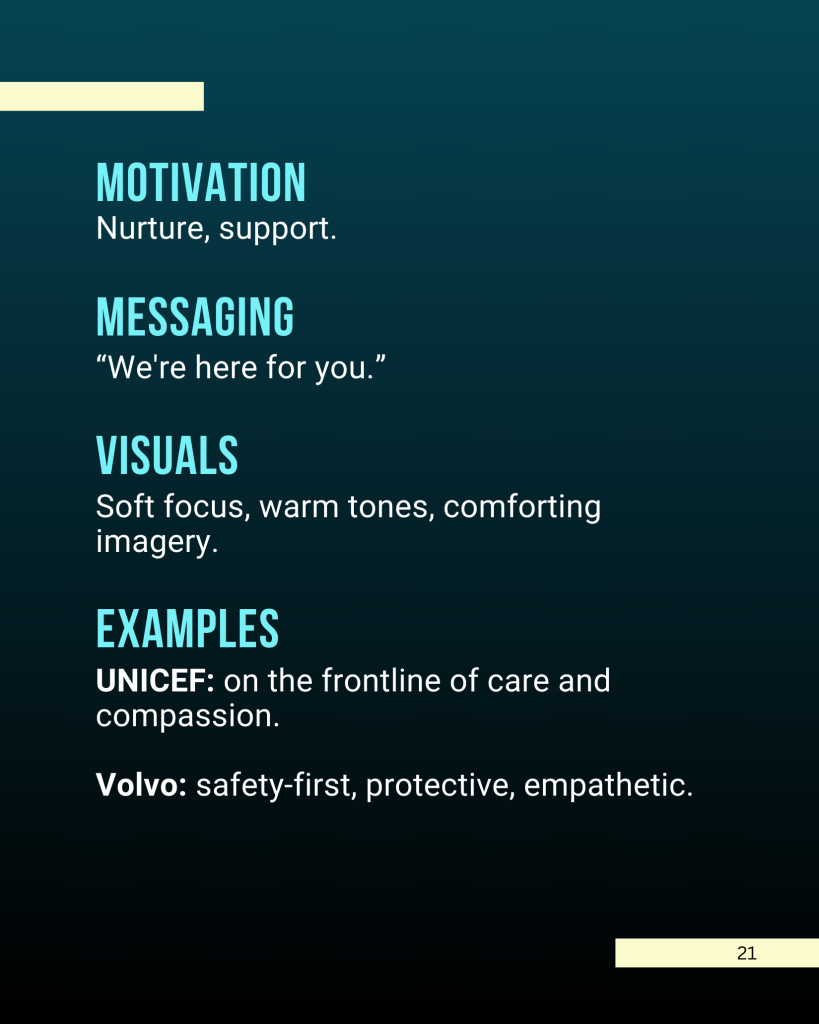
1. Review the 12 Archetypes.
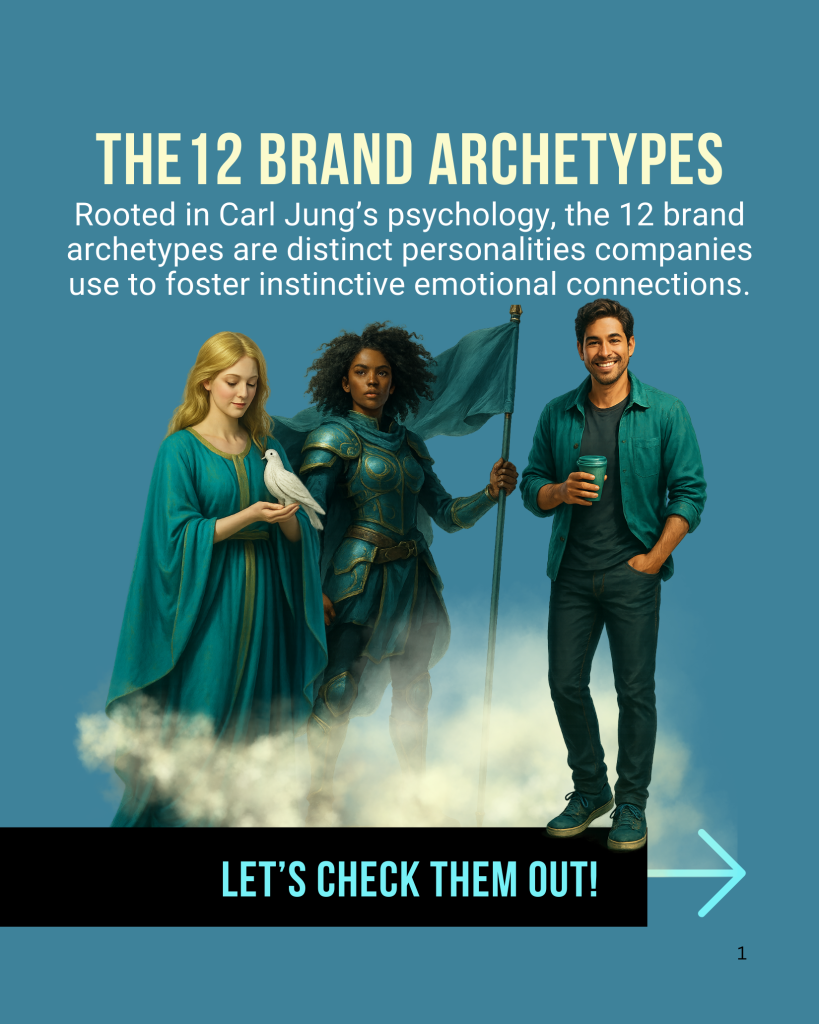
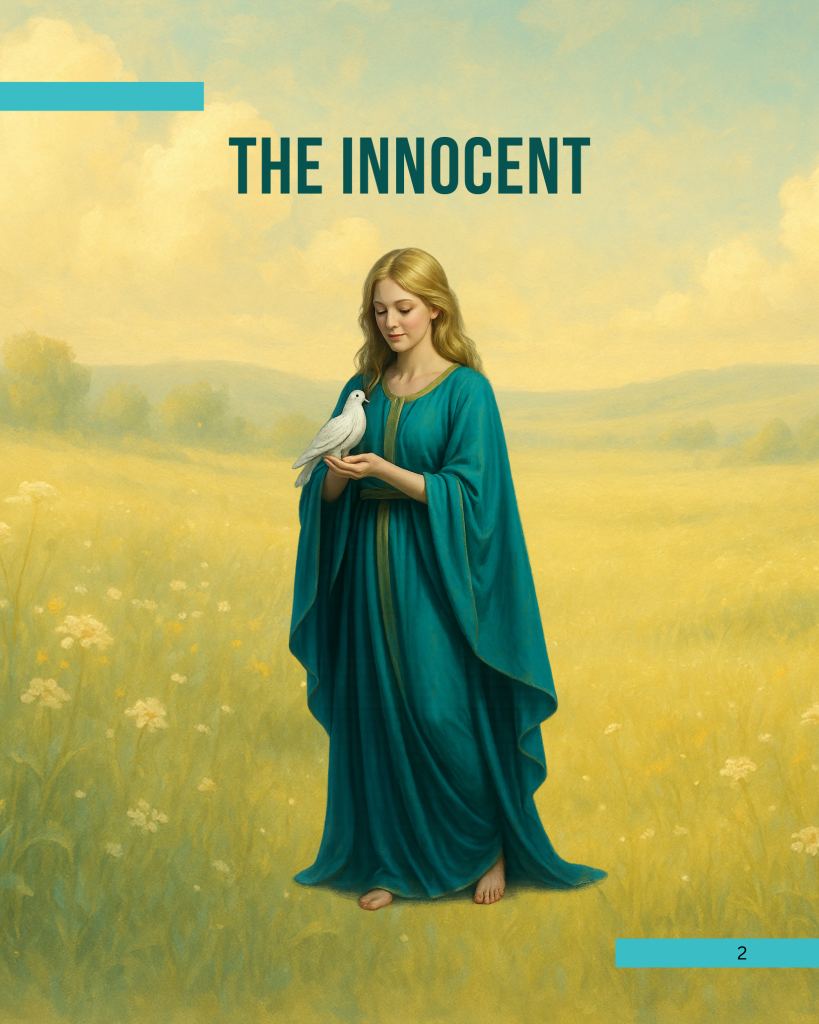
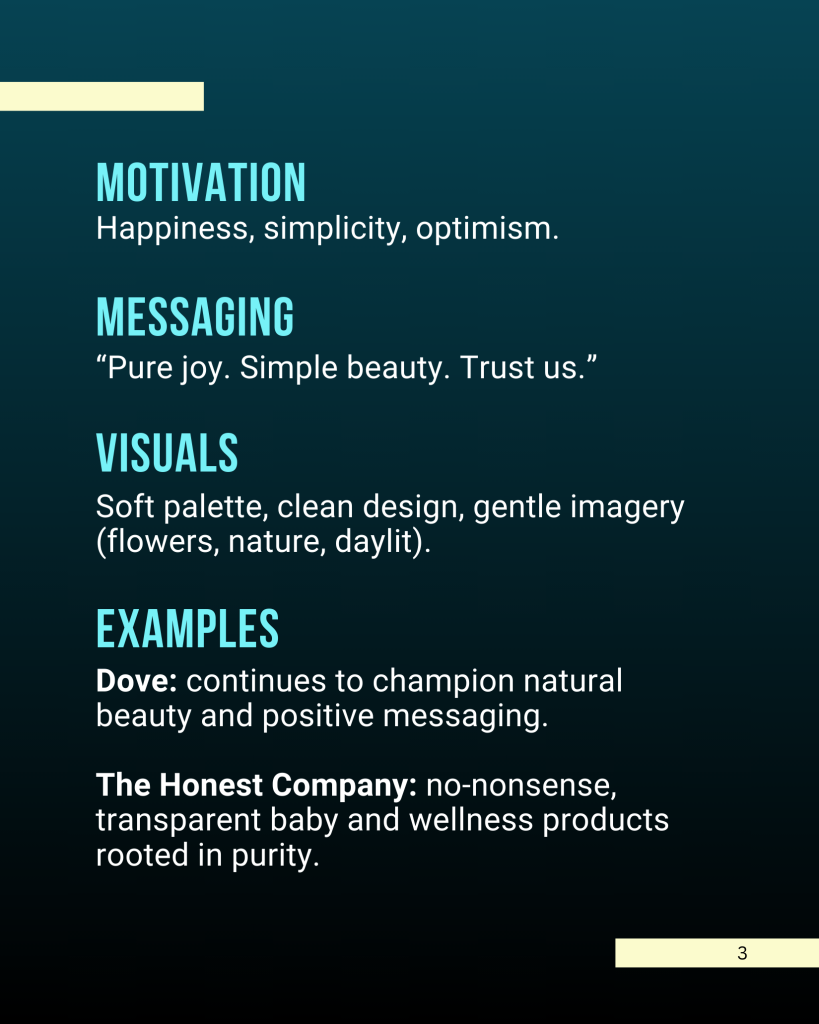
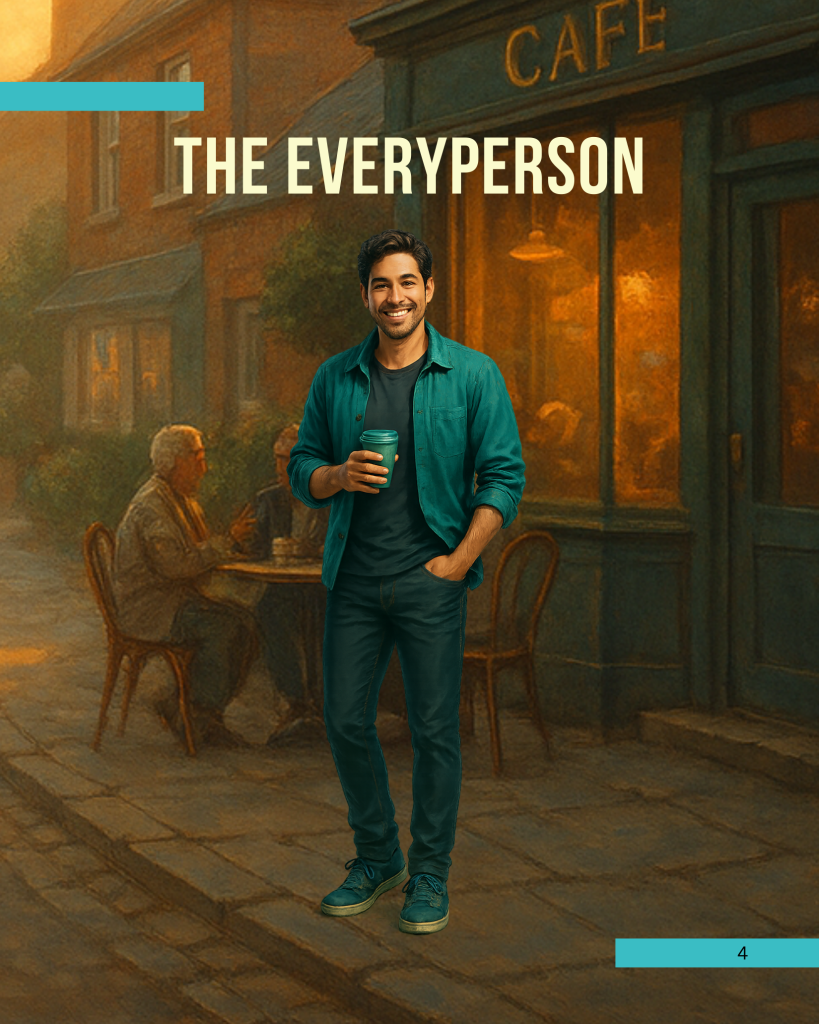
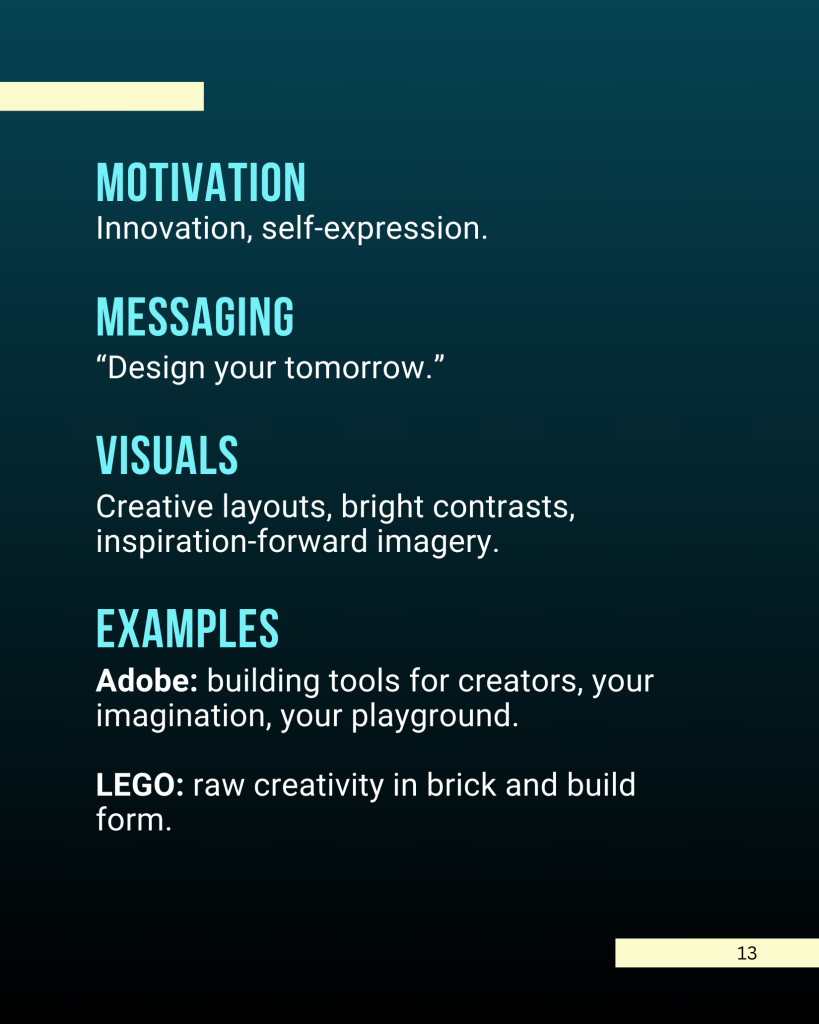
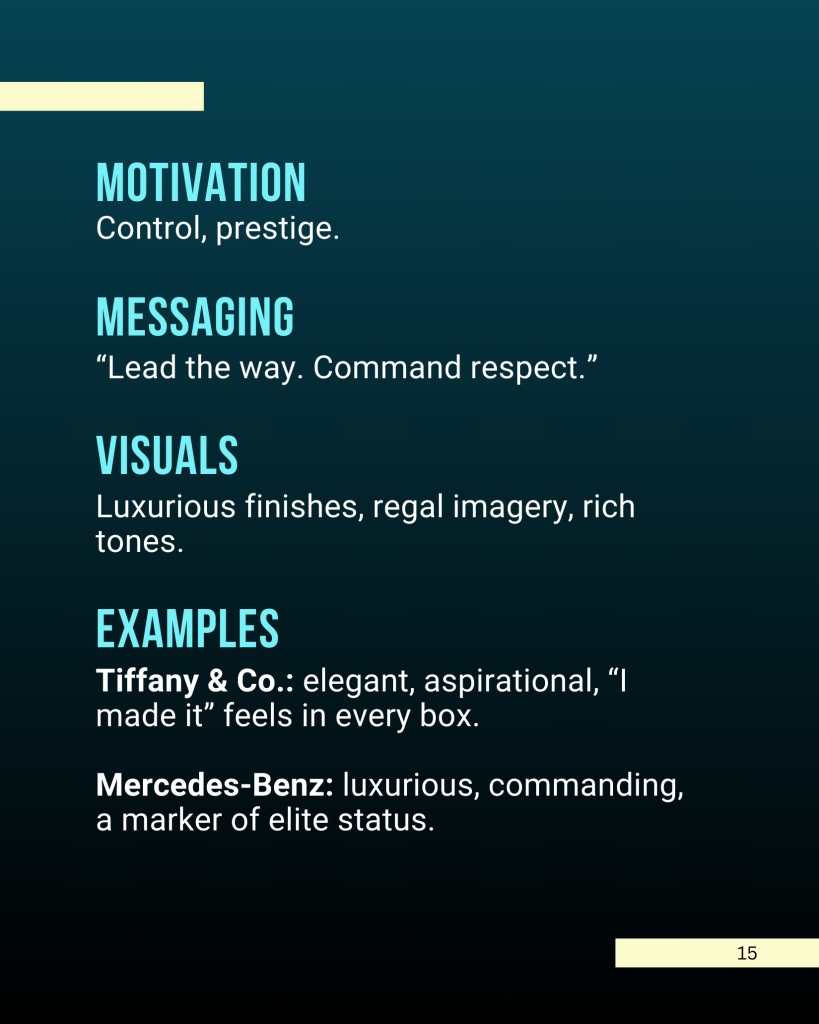
Start by looking at the full set (see the carousel below). Notice which ones spark an immediate “that’s me” reaction and which ones feel totally wrong.
Trust your gut, archetypes are designed to be intuitive.
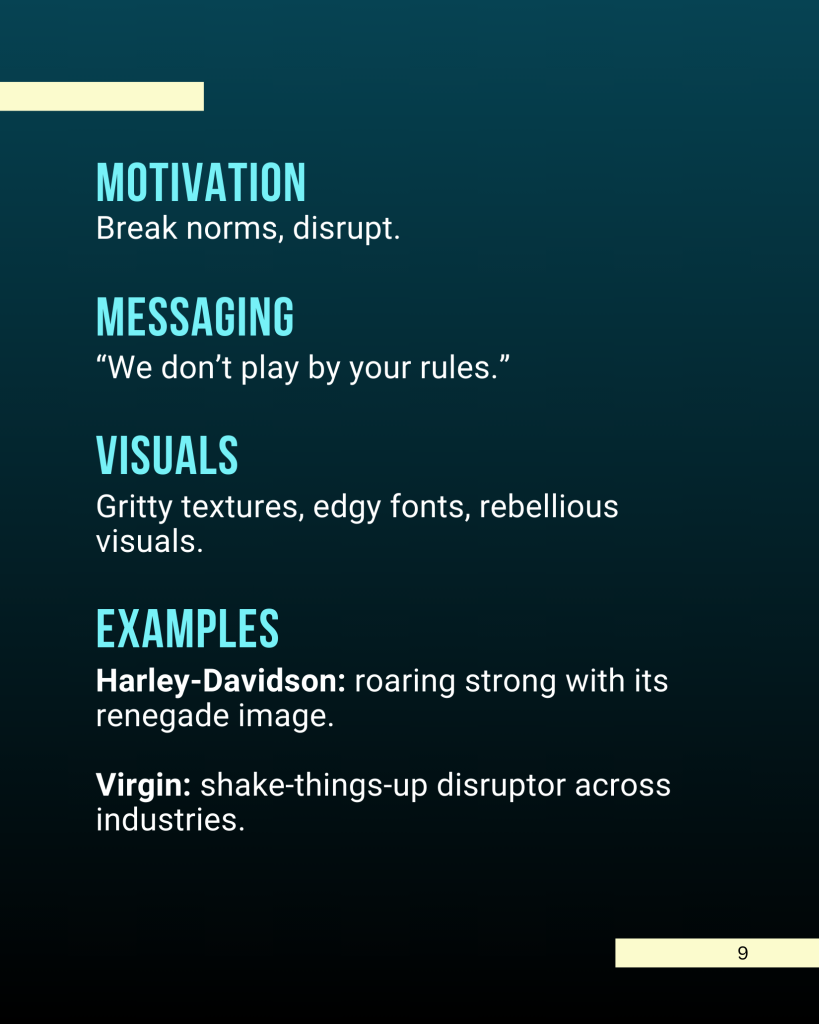
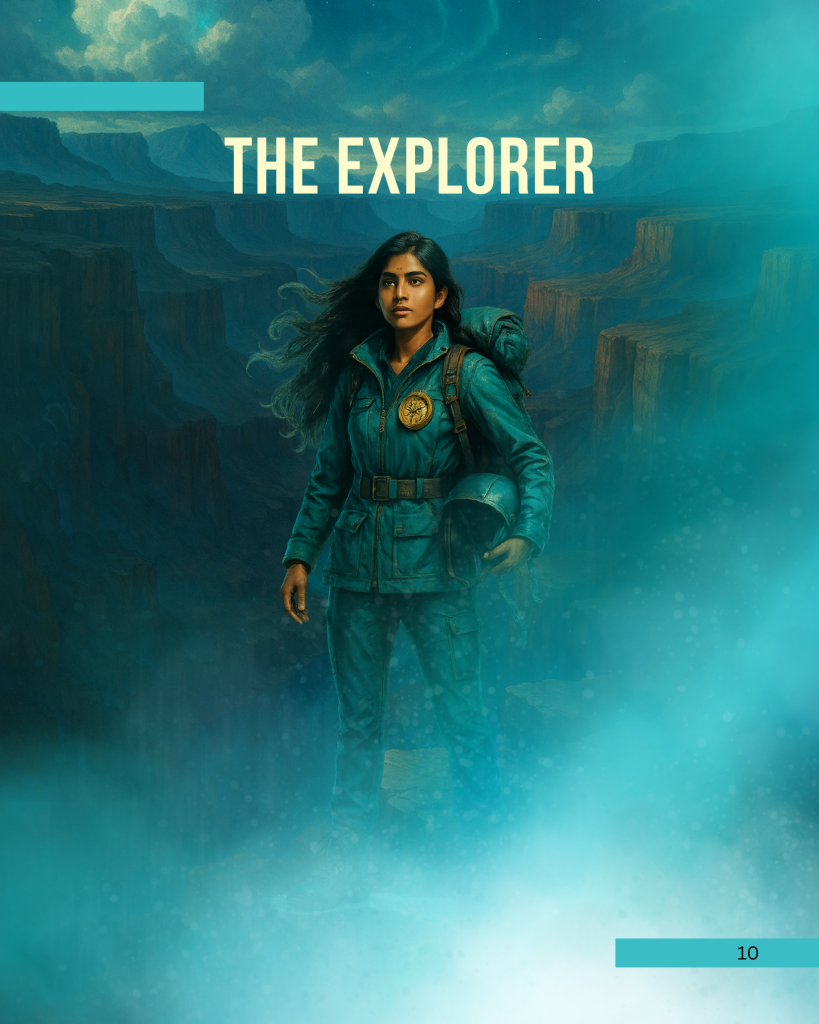
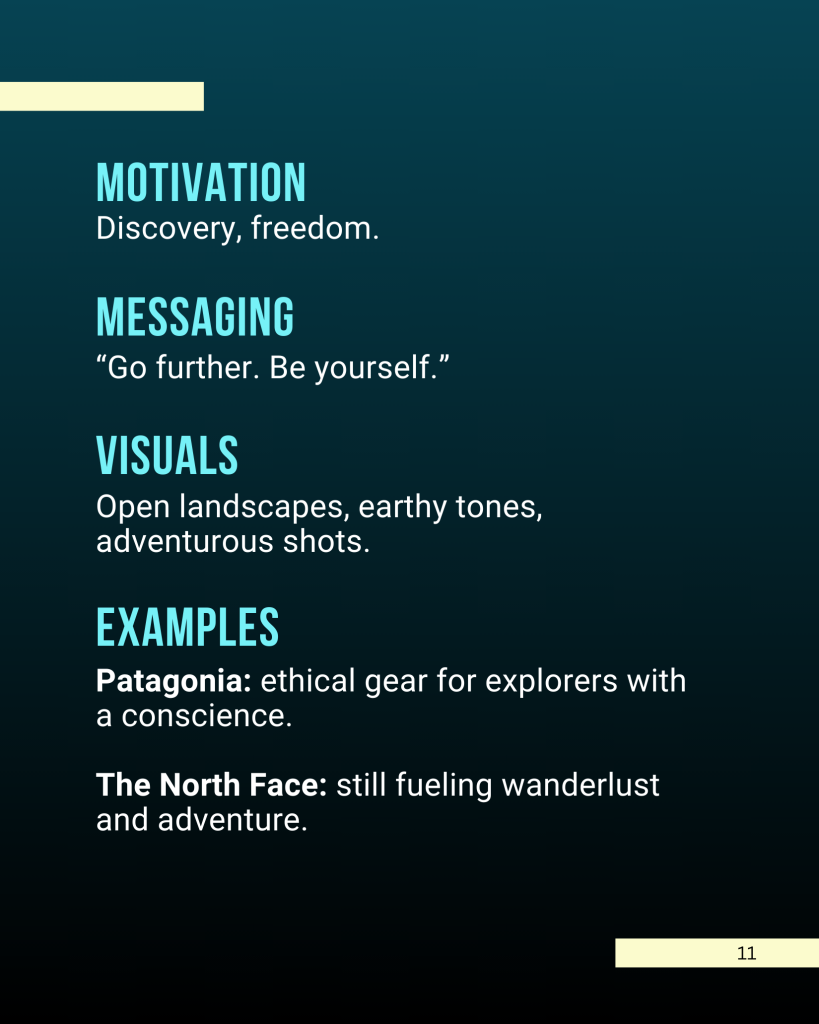
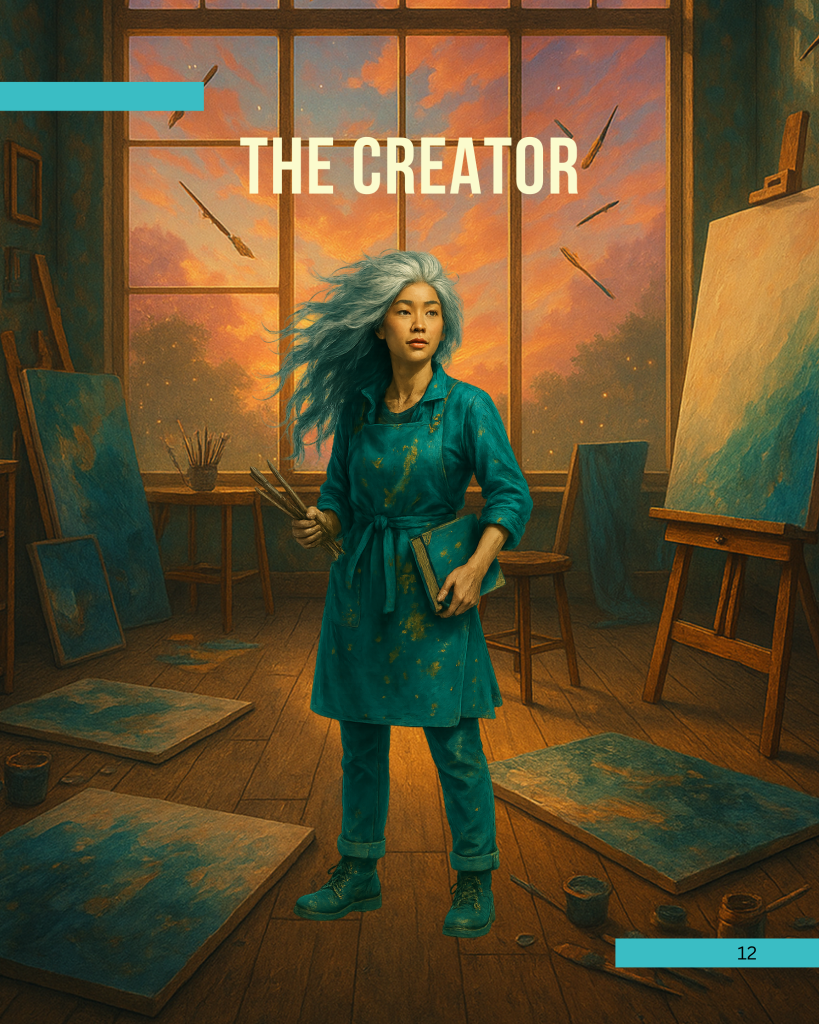

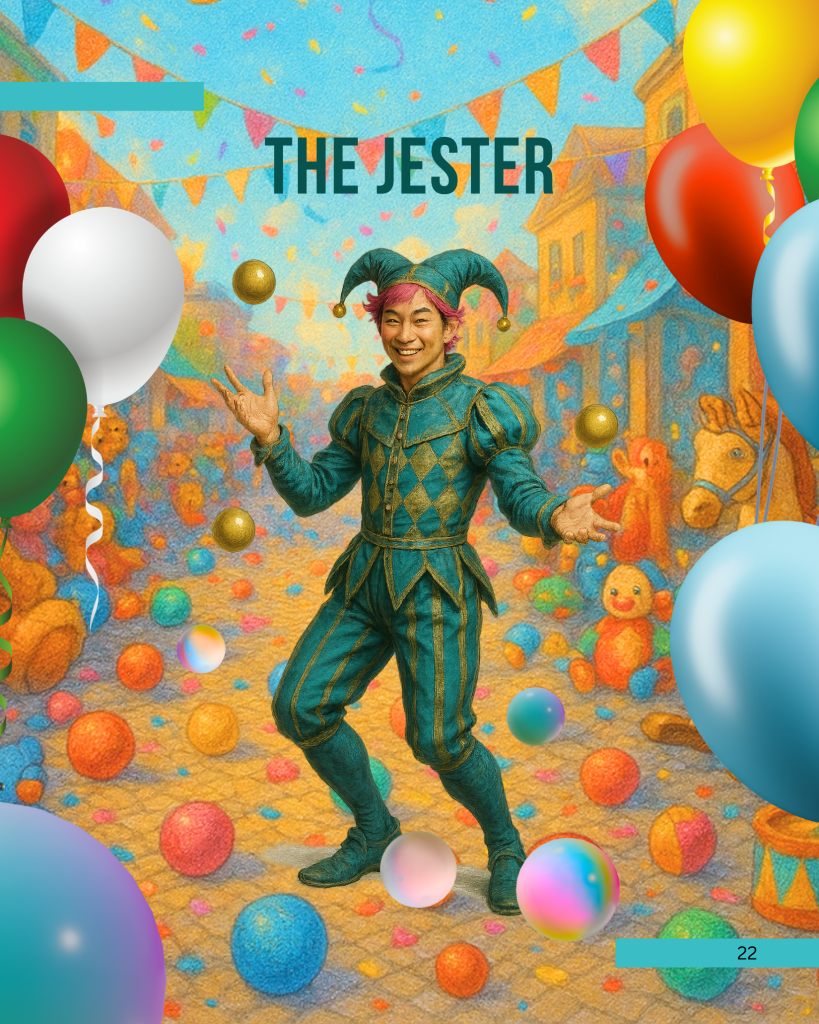
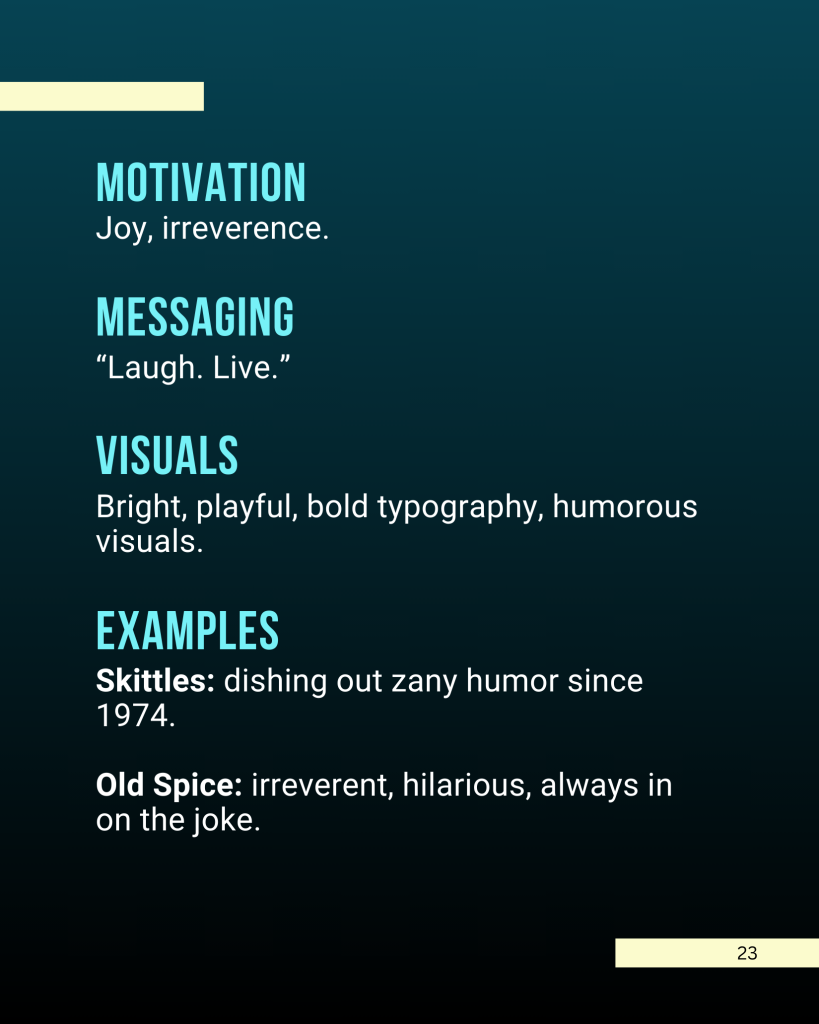
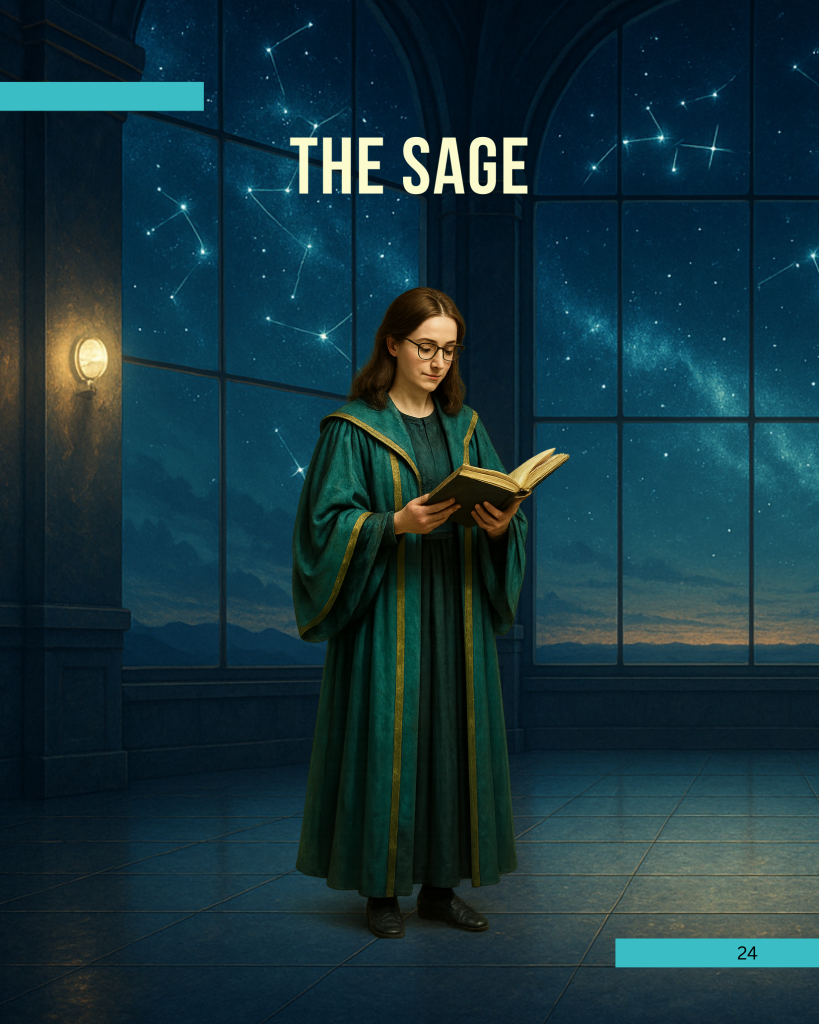
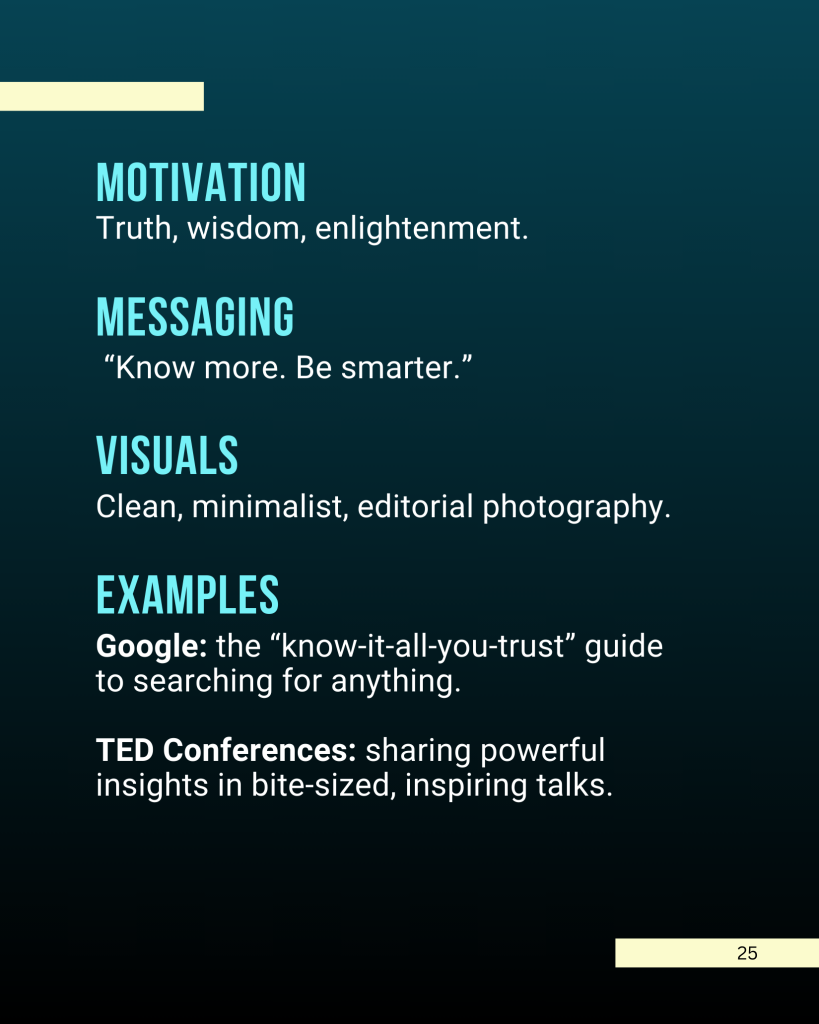
2. Think about your brand’s role in people’s lives:
Do you give them confidence? (Hero)
Do you bring comfort and belonging? (Everyperson)
Do you help them escape into imagination? (Magician)
Your archetype reflects the value you deliver emotionally, not just the product you sell.
3. Ask your customers or colleagues.
Sometimes the way others experience your brand is clearer than how you describe it yourself. Ask: “If our brand were a character in a movie, who would it be?”
4. Choose a Primary and Secondary Archetype.
Most strong brands live at the intersection of two. For example, Chanel is both Ruler and Lover. Apple is Creator with a touch of Magician. This duality makes a brand richer while keeping it consistent.
5. Align your visuals and messaging.
Once you’ve chosen, check if your design, copy, and customer experience match the archetype. If you say you’re a Rebel brand, but your website feels corporate and safe, there’s a mismatch.
Conclusion
When your brand archetype is clear, you stop second-guessing your visuals, your messaging, and your customer experience.
You know who you are, and your audience knows too.
– End of article –