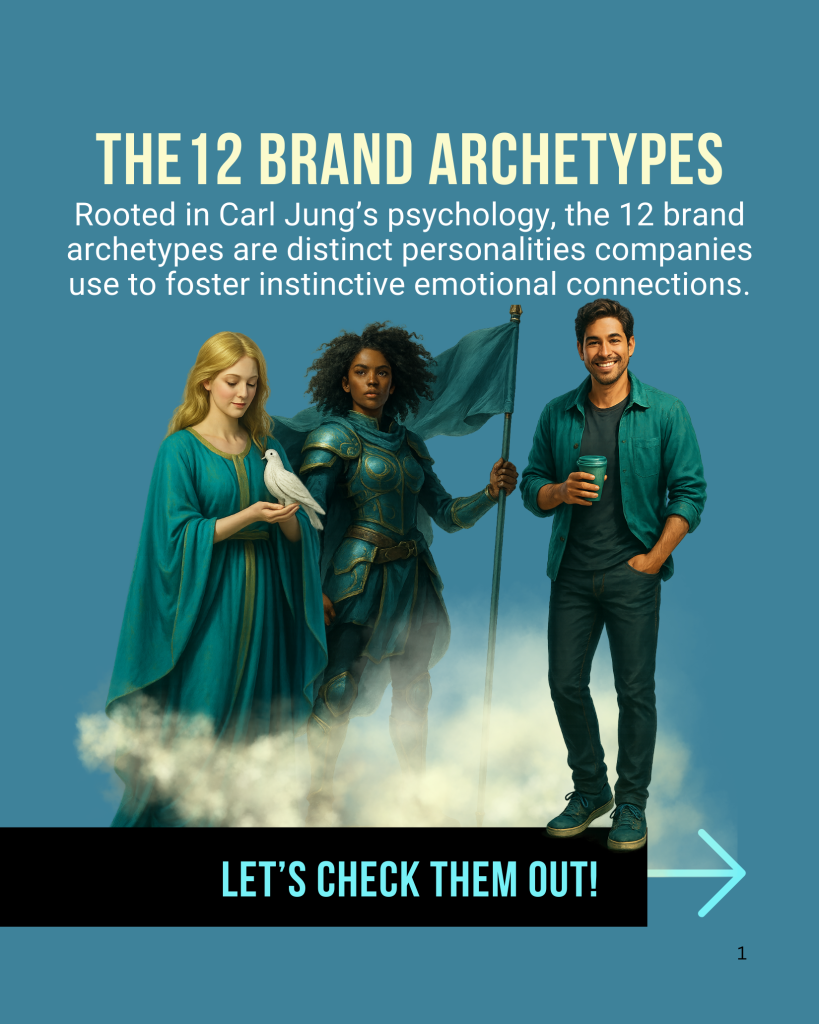
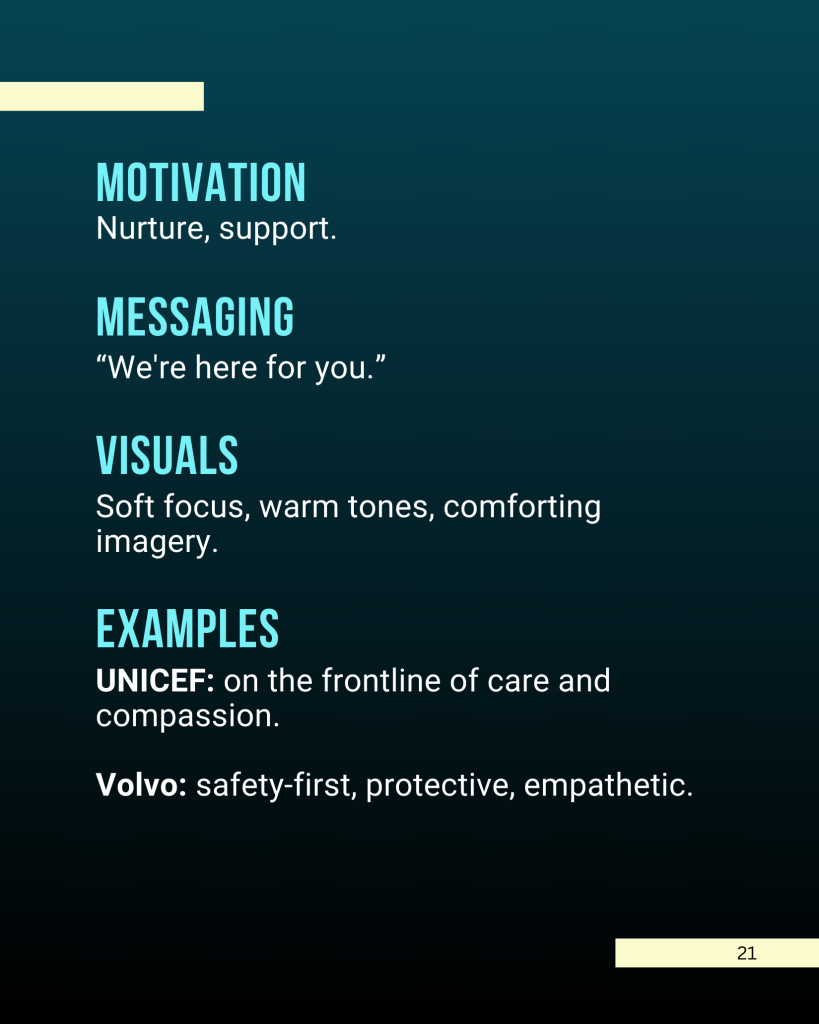
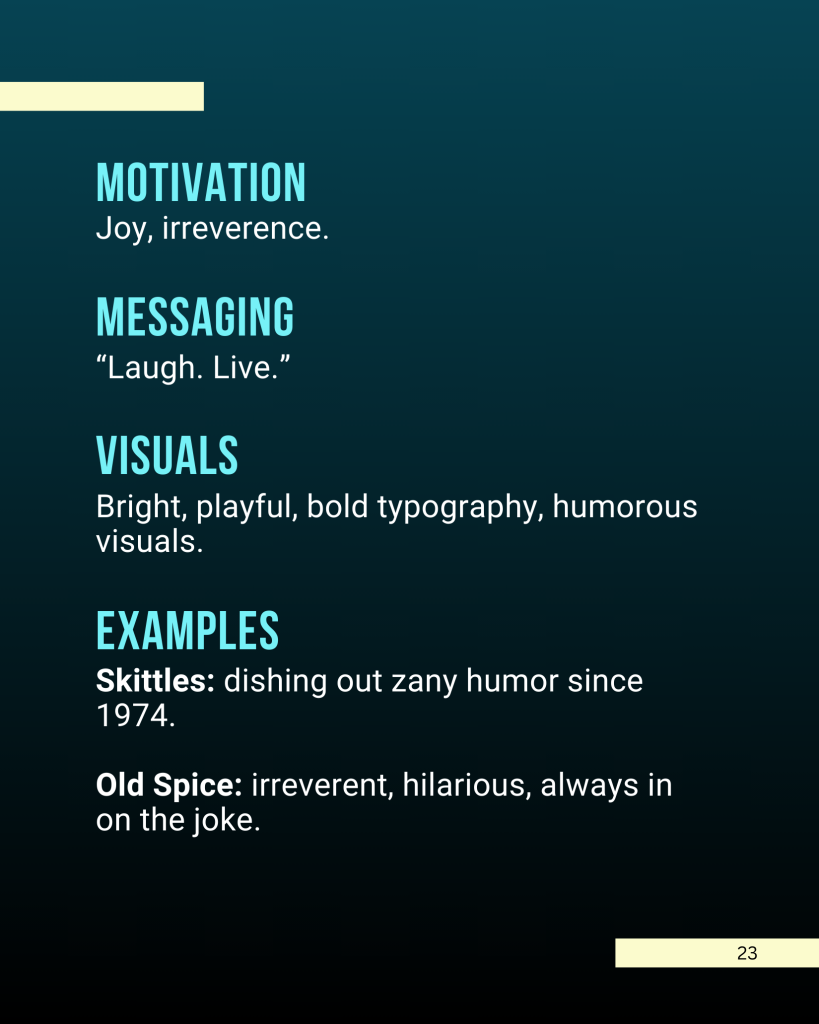
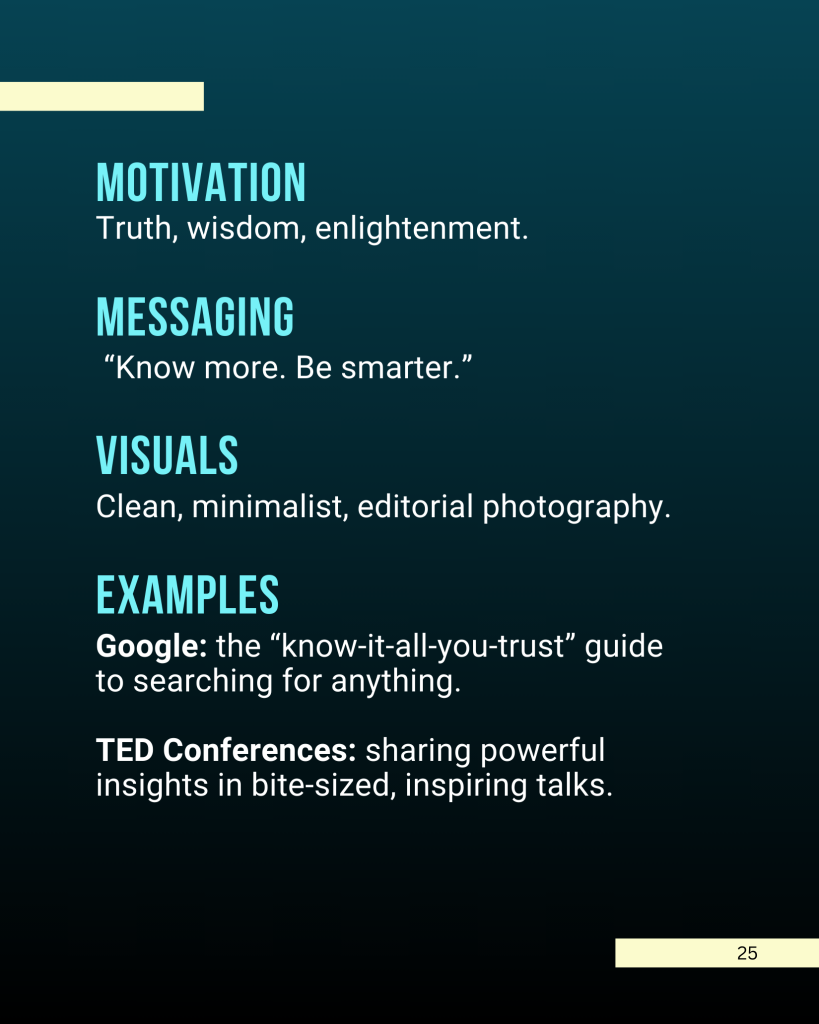
Archetypes are timeless human patterns. They come from Jungian psychology and describe the stories, desires, and values that show up across every culture, time period, and generation.
When applied to branding, archetypes give companies a personality that people can instantly understand and connect with.
There are 12 main archetypes, but the magic lies in how they mix, match, and show up in different industries. Get them right, and your brand doesn’t just look consistent: it feels alive and becomes unforgettable.
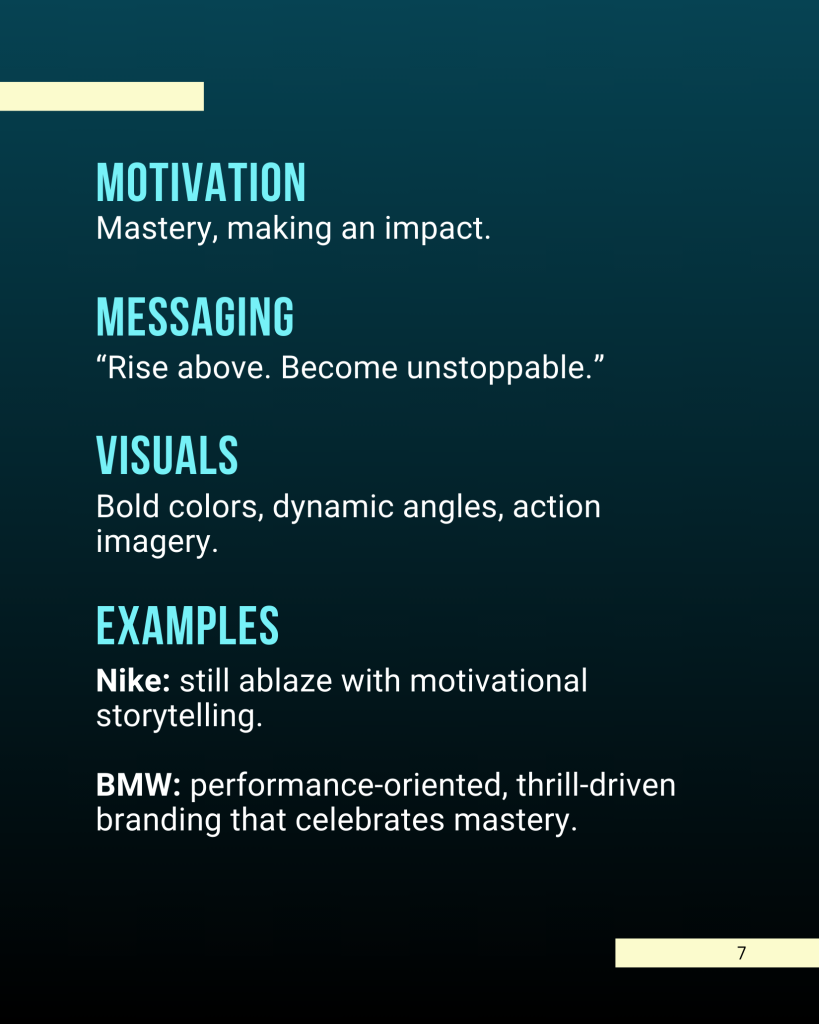
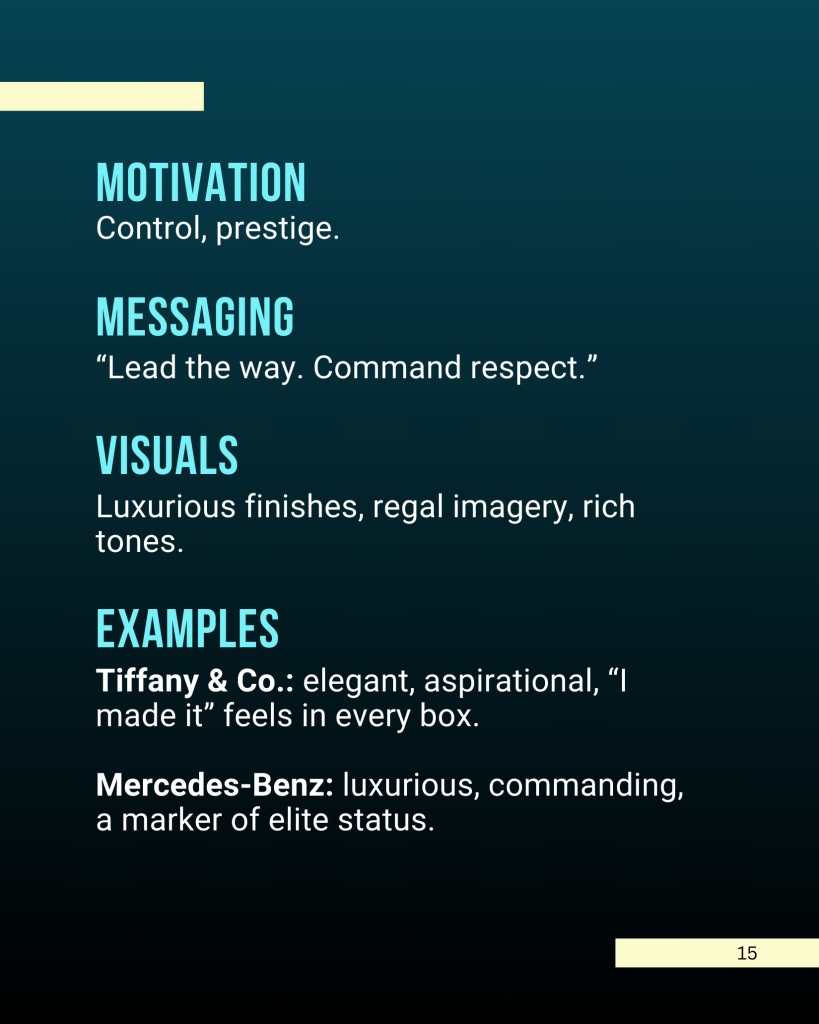
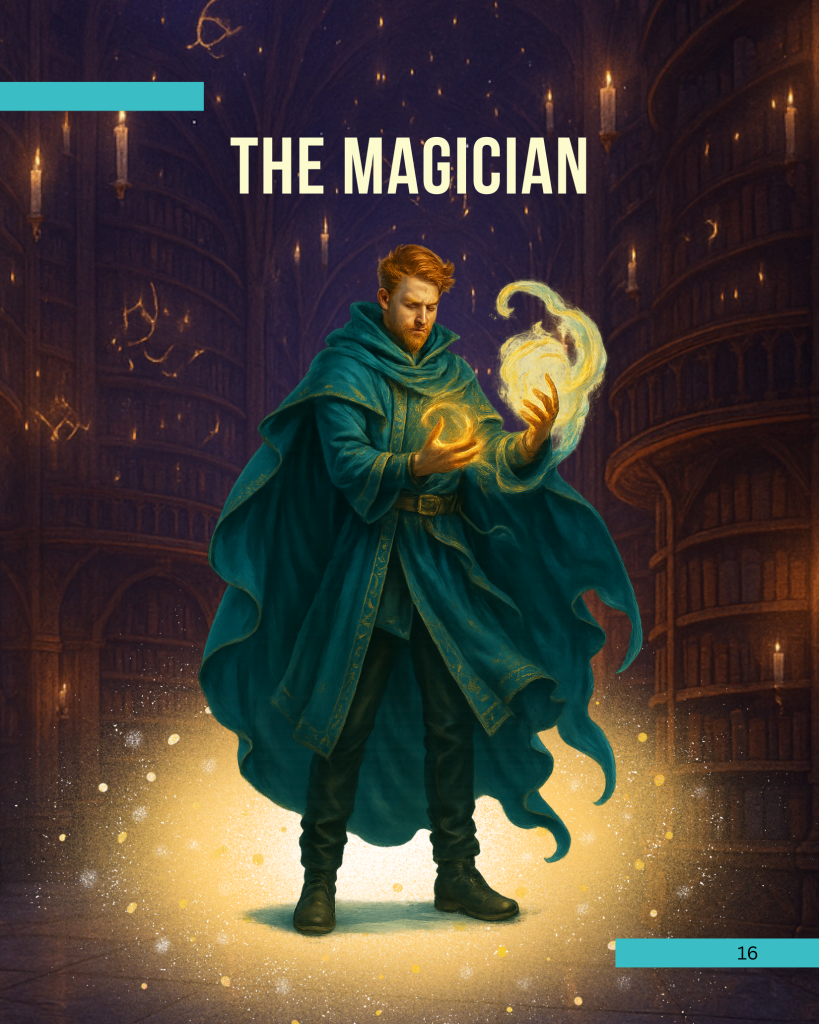
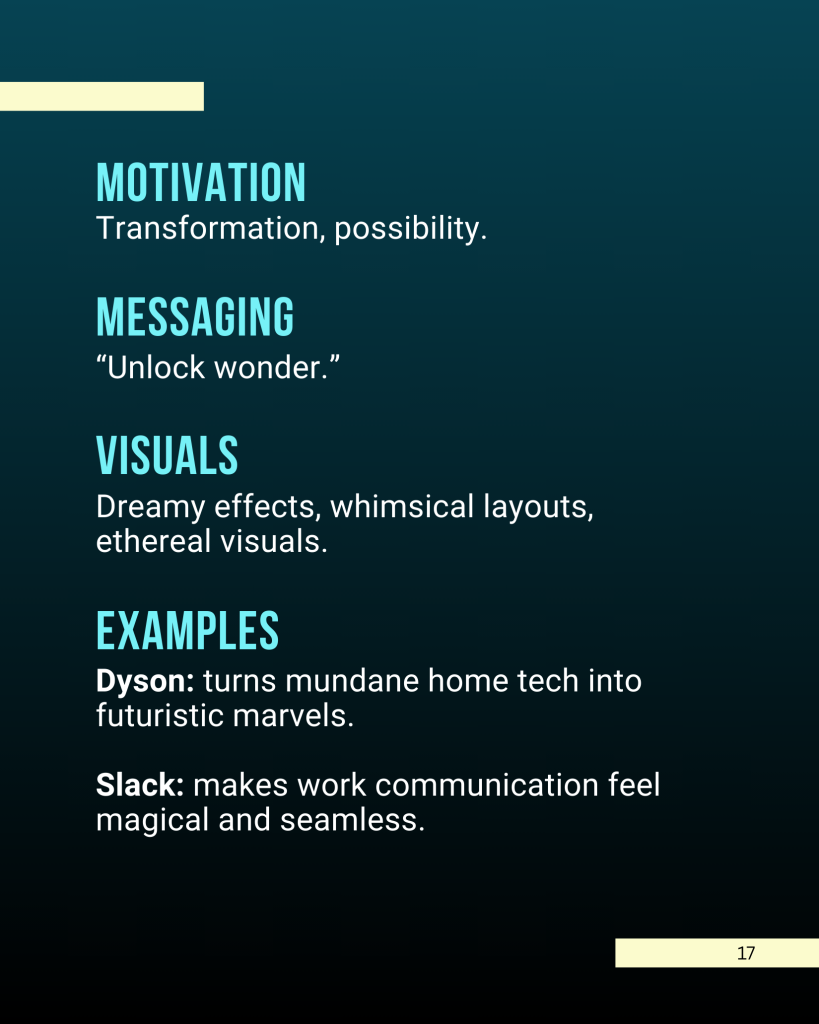
Think Chanel, both the Ruler defining timeless luxury and the Lover devoted to beauty and desire. Nike, the Hero inspiring us to push beyond limits. Apple, the Creator blending art and innovation. Disney, the Magician creating worlds of imagination.
These brands don’t just “look nice.” They’re built on something deeper: brand archetypes. And in this guide, I’ll show you how to use them to clarify your own brand personality.
Why Archetypes Matter for Your Brand
Without an archetype, a brand can feel flat or confused. Maybe the visuals look “fine” but don’t carry emotional weight. Maybe the messaging shifts depending on who’s writing it that day. Maybe customers admire the product but never feel loyal to the company behind it.
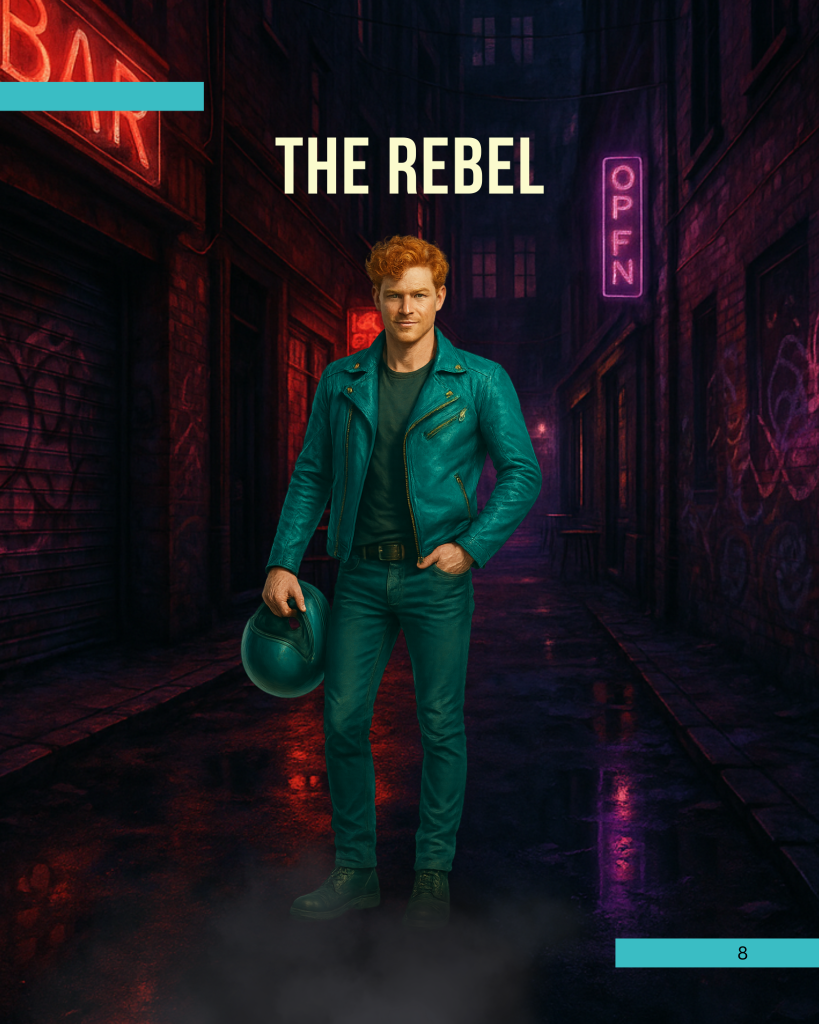
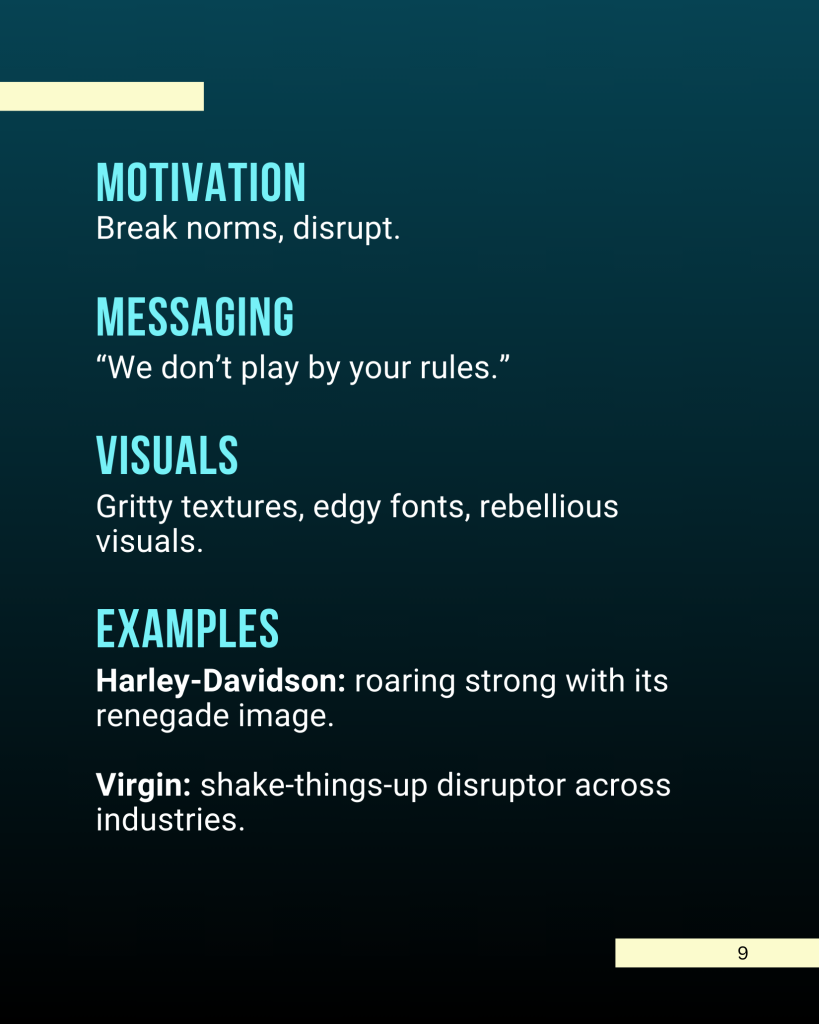
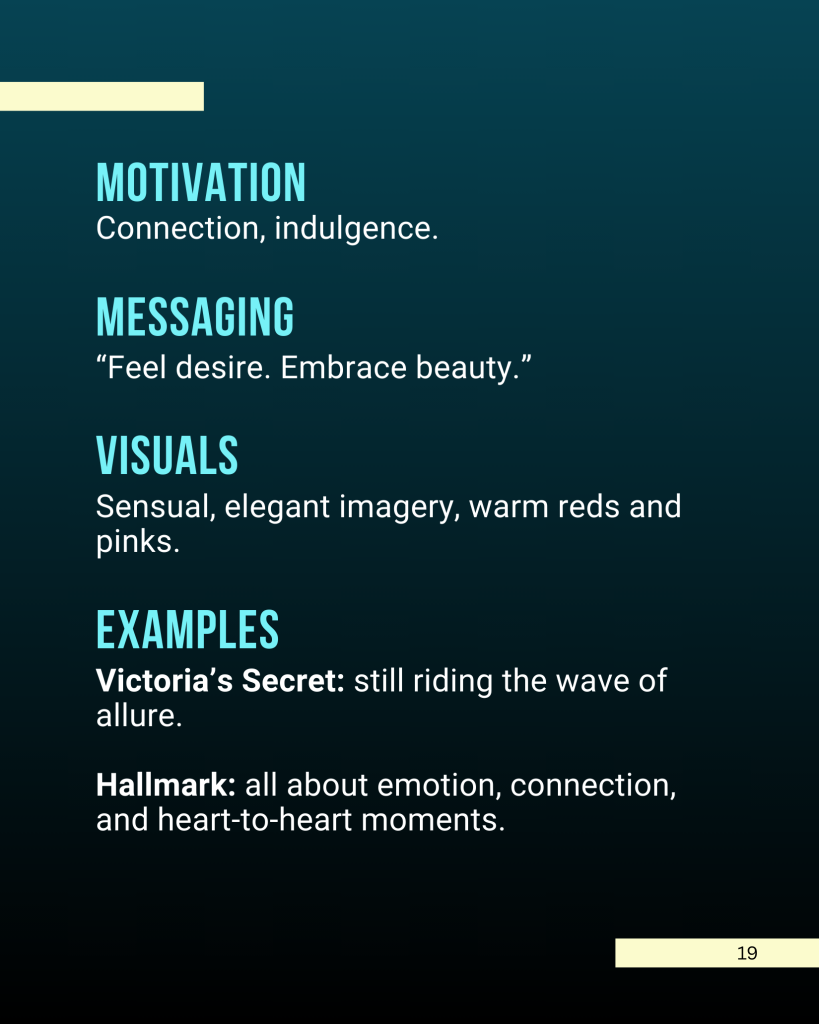
That’s the power of archetypes: they give your brand a clear identity that goes beyond surface aesthetics. A Sage brand like TED shows up with authority and credibility. A Rebel brand like Harley-Davidson instantly signals freedom and rule-breaking. A Lover brand like Magnum makes you feel indulgence before you’ve even opened the wrapper.
Archetypes make branding consistent, memorable, and emotionally magnetic.
Walking the Talk: My Own Archetype Analysis
I believe in practicing what I preach. So I put my own brand through an archetype analysis, and here’s what came back:
1. Main Archetype: Creator 2. Secondary Archetypes: Sage + Hero
Spot on. That’s exactly how I operate.
As a Creator, I thrive on building, innovating, and bringing new ideas into the world. As a Sage, I lean on data, strategy, psychology, neuroscience and other knowledge to guide others with clarity. As a Hero, I empower myself and my clients to stretch beyond limits, to do the hard work of transformation.
And it makes sense. Those are the people who naturally resonate with me: Creators, Sages, Heroes, and their close allies (the Magician, Explorer, Ruler, Rebel, and even the Everyperson seeking growth). No wonder these are the clients and collaborators I love working with most.
So, what about You? If every unforgettable brand has a personality, what’s your brand’s?
Are you a Rebel ready to disrupt an industry? A Lover wanting to seduce your audience with beauty and desire? A Hero charging into the world with purpose and grit? Or perhaps a Sage, building trust by teaching what you know?
Knowing your archetype is more than a branding exercise. It’s a way to show up consistently, attract the right people, and build authentic emotional connections that last.
Because when your brand personality is clear, people don’t just buy your product. They believe in your story.
How to Find Your Brand Archetype
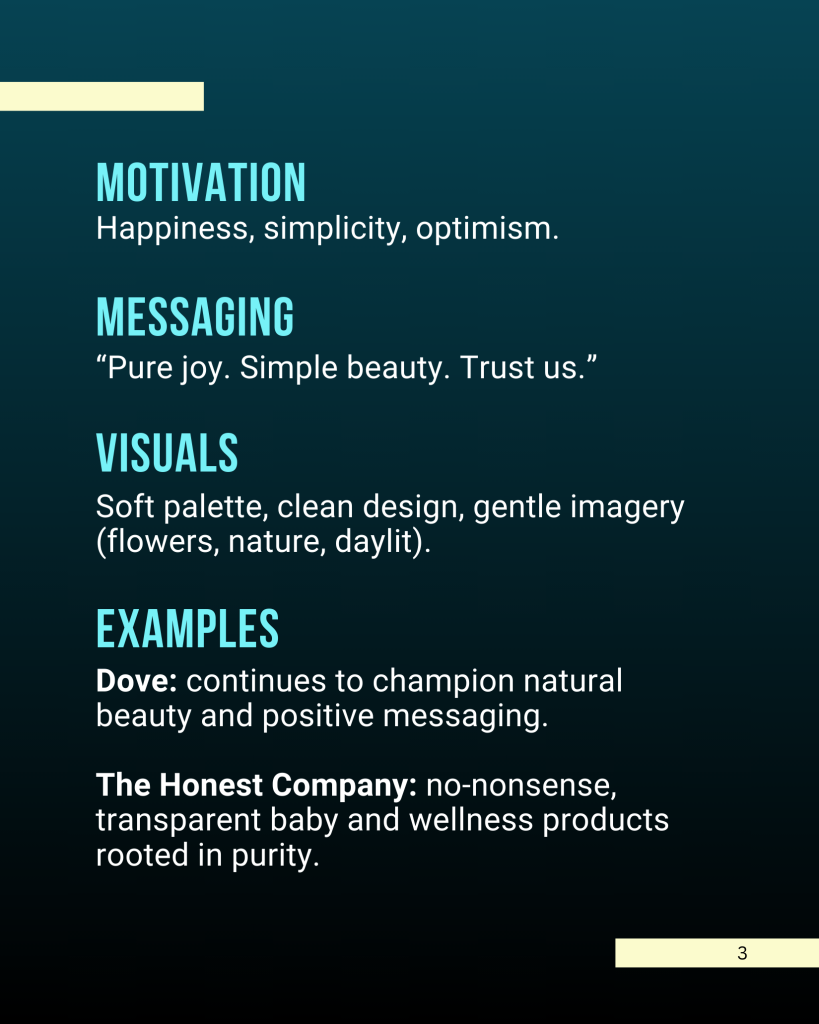
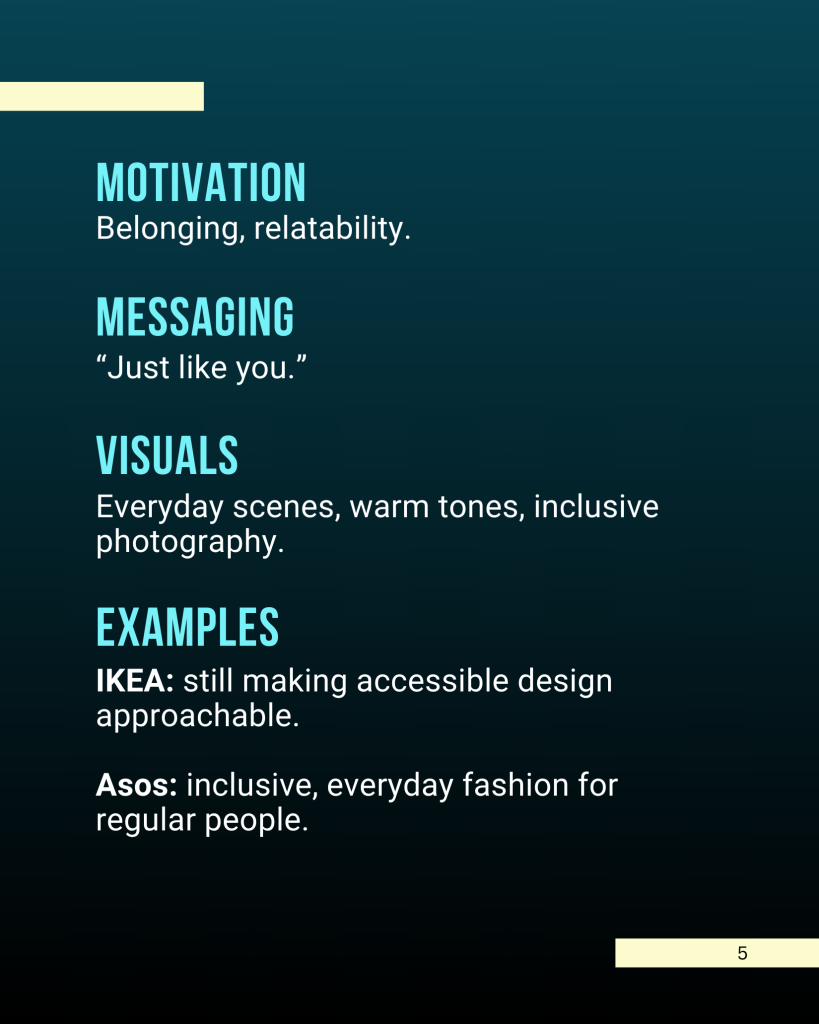
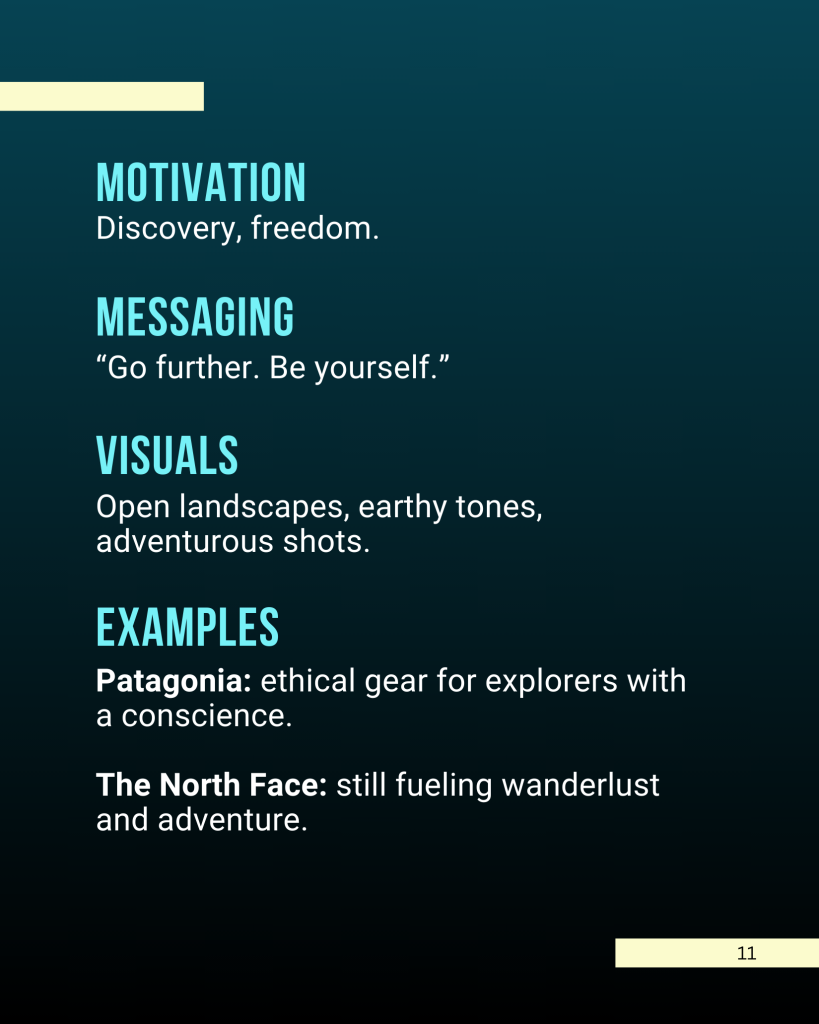
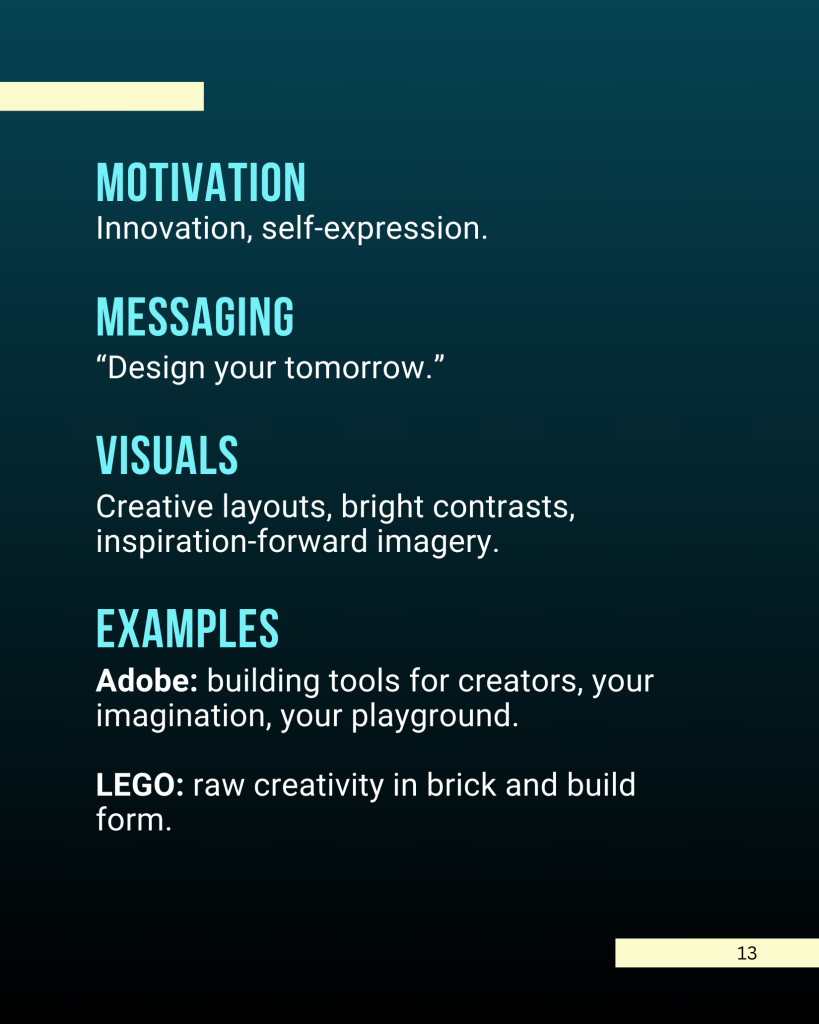
1. Review the 12 Archetypes. Start by looking at the full set (see the carousel below). Notice which ones spark an immediate “that’s me” reaction and which ones feel totally wrong. Trust your gut, archetypes are designed to be intuitive.
2.Think about your brand’s role in people’s lives:
Do you give them confidence? (Hero) Do you bring comfort and belonging? (Everyperson) Do you help them escape into imagination? (Magician)
Your archetype reflects the value you deliver emotionally, not just the product you sell.
3.Ask your customers or colleagues. Sometimes the way others experience your brand is clearer than how you describe it yourself. Ask: “If our brand were a character in a movie, who would it be?”
4. Choose a Primary and Secondary Archetype. Most strong brands live at the intersection of two. For example, Chanel is both Ruler and Lover. Apple is Creator with a touch of Magician. This duality makes a brand richer while keeping it consistent.
5. Align your visuals and messaging. Once you’ve chosen, check if your design, copy, and customer experience match the archetype. If you say you’re a Rebel brand, but your website feels corporate and safe, there’s a mismatch.
Conclusion
When your brand archetype is clear, you stop second-guessing your visuals, your messaging, and your customer experience.
You know who you are, and your audience knows too.
As an entrepreneur or small business owner it is common knowledge that building a robust brand is vital to your triumph. But how do you initiate the process? How do you produce a brand that strikes a chord with your intended audience, distinguishes itself in a saturated marketplace and bolsters revenue?
Building a successful Brand Strategy is achieved by taking these key four steps:
Defining your Brand
Developing a Marketing Strategy
Building a PR Strategy
Measuring and Refining
Let´s take these steps, because if not now when? Exactly; the time is now to get where you want to be.
1. Define Your Brand
Defining your core values and identifying the key differentiators of your product or service is crucial when laying the groundwork for building a strong brand. A powerful tool for discovering your Unique Selling Point (USP) is conducting a SWOT analysis – which stands for identifying Strengths, Weaknesses, Opportunities, and Threats. This analysis will help you discover what sets you apart from your competitors and how to capitalise it.
For instance, if you run a small company that sells artisanal bread, your strengths can be the quality of your ingredients and your attention to detail. Your weakness might be your limited production capacity whereas your opportunity could be in expanding your product line to include baked goods suitable for people with various food sensitivities and intolerances who still want to enjoy traditional textures and flavours. Your threats could be competition from larger bakeries or changes in consumer tastes. Knowing your strengths and opportunities, you could combat your threats by:
Consistently highlighting the calibre of your source products and the careful handling typical of your artisanal process.
Regularly promoting the broad suitability of your range of alternative baked goods.
Once you have a clear idea of your brand´s unique selling point and personality it is also much easier to identify your target audience with surgeon accuracy.
Ask yourself these questions:
Who might be particularly interested in my unique selling point?
Taking the example I mentioned, we can deduct that people who are likely interested in artisanal bread are those who value quality over price. They are usually affluent adults aged 25 – 65 with a higher disposable income.
What problem does my unique selling point solve and who usually has this problem?
If specialty bread and baked goods tackling food sensitivities and allergies were included in the product range, brand marketing campaigns become even more refined by targeting people within that age group and financial means who also happen to be interested in suitable alternatives to traditional products.
When it comes to defining your brand identity, consider the tone of voice and personality you want to project to your audience. This could be warm and approachable, professional and authoritative, or edgy and irreverent. Whatever personality or brand archetype (you decide on, make sure it is aligned with your brand´s guiding principles and appeals your target audience. Check out the 12 brand archetypes here ->
Following the given example, we can conclude the best tone of voice for the artisan bakery would be warm and approachable.
The next step would be to create a visual identity that reflects your brand´s archetype. A visual identity includes a logo, colour palette, typography, and imagery.
But here I am also going to give you a great tactic to set your brand apart and make it far more memorable:
Create a branded sound.
While most businesses focus on creating a visual brand identity, sound also plays a very powerful role in creating a memorable impression. For example, we do not need to be in the same room to know that someone is about to watch an HBO original series or has just seen a McDonalds ad (we all recognise its jingle). Thus, including your branded sound in the intro or outro of every video and audio commercial you create to promote your business will help to differentiate your brand from your competitors as well as create a unique sensory experience that builds brand recognition and loyalty.
Creating the right sound for your brand involves thinking on your brand´s values and the emotions that resonate with them. Taking again the artisan bakery as an example, we now know that a comforting, homely sound would be an ideal fit.
Remember, your brand identity should be consistent across all touchpoints, from your website to your social media profiles and beyond.
2. Develop a Marketing Strategy
Now that you have a solid brand foundation, it is time to develop a marketing strategy that will help you reach your target audience and grow your business.
Start by identifying your key marketing channels.They usually include search engine optimisation (SEO), paid media (advertising), content marketing, social media and email marketing.
Very important, in order to maximise the efficiency of your marketing efforts and maximise your return on investment (ROI), is to choose the channels that are most likely to reach your target audience.
For example, if you are targeting Zoomers (Gen Z) and Millennials, you might want to focus on TikTok, Snapchat and Instagram. But if your audience is primarily Gen Xers, you might want to focus on Facebook, YouTube and email marketing.
Next, you need to create a content plan that will help you engage your audience and build your brand. This is achieved by including in your plan blog posts, videos, social media updates, and more. The most successful content will be that which is valuable, informative, and entertaining for your audience.
A tactic that is quite effective across all channels is to create content that tells your brand story in the form of customer success stories, behind-the-scenes glimpses of your business, or thought leadership content that positions you as an expert in your industry.
The type of content more likely to become viral is User-Generated Content (UGC).
By encouraging your audience to share their own content related to your brand, you can generate a wave of virality that can help to build your brand and increase your reach.
A creative way to do this is to create a UGC campaign around a specific theme or challenge. For example, in the artisan bakery scenario, a contest where the audience shares their favourite baked good (via a photo or video), using a specific hashtag to find and share their content, would be quite successful. It is quick to do and the instructions are easy to remember.
The winner can be picked by the audience via engagement such as likes and comments – a gamification element that further encourages virality. And this particular theme would not only help spread the brand´s name but also aid with market research in terms of finding out the most popular baked goods as well as new audiences, product and recipe ideas. I personally love coming up with creative and effective ideas that serve more than one purpose.
3. Build a PR Strategy.
In addition to marketing, PR is an essential part of building a successful brand. It helps you establish credibility, build trust with your audience as well as reach new customers.
To build your PR Strategy first you need to identify relevant media outlets and influencers. These can be national and/or international newspapers, industry publications, online influencers, complementary experts and entertainment celebrities.
Conduct thorough research to ensure that they are suitable to your brand and audience. Start with outlets and influencers that cover your industry or niche, and check the types of stories they tend to cover. Once you know who would be best to pitch to and partner with, create your list of contacts.
Once you have your media target list, start pitching your story or ideas to them in the form of press releases, story angles, or expert commentary on industry trends. One way to do this effectively is by following the 5 W’s of journalism: who, what, when, where, and why. Make sure you address each of these areas in your pitch and explain why your story is relevant to the journalist´s audience.
Having worked in media in the past, I cannot stress enough the importance of personalising your pitch to each outlet and individual contact. Use their name in your email, reference previous stories they have written or produced.
If you have found a way to apply a current trend to your story, know that the chances to be picked by a media outlet grow exponentially.Same applies with influencers. If your product or service not only speaks to their audience but can also nicely jump onto a current trend, they will be fast and eager to work with you on a time-sensitive campaign.
When it comes to media outlets, both interest as well as a sense of urgency is sparked when you offer them exclusivity. This means giving them the opportunity to cover your story before you share it with any other media outlets.
To make your offer even more attractive, provide them with relevant high-quality visual assets such as photos, videos, or infographics. This not only facilitates their work and saves them time but it also makes your story and their content on it more shareable on social media.
Carry a respectful follow-up, where you wait a few days before checking on the status of your story.
Also, take the time to getting to know them by offering to be a resource beyond your story. Building genuine relationships with journalists and influencers can generate more opportunities for coverage and partnerships in the long term.
4. Measure and Refine.
Finally, it´s essential that you measure your efforts so you can refine your brand message and marketing campaigns making them more and more cost-effective with every iteration.
Building a successful brand is an ongoing process, and it takes time and effort to get it perfect, even with the help of seasoned professionals as rapid cultural shifts plus industry and financial changes take place.
Something that does not change, however, is the need for relevant, accurate and complete data. Tracking key metrics across all touchpoints – online and offline – is the only way to obtain a full and clear picture.
Focusing your data analysis on the metrics pertinent to your business goals is what will help you make quick, productive and impactful decisions. For example, if your goal is to build brand awareness, the metrics you need to focus are website traffic and social media engagement. But if you have launched a marketing campaign aimed to increasing your revenue, the metrics to watch are the conversion rate and average order value.
At this point it is crucial to measure the same metrics and KPIs across all channels in order to establish coherence across various analytics systems, such as Google or Adobe Analytics and Salesforce Marketing Cloud.
To attain this cohesiveness I advise you to use a tag management system such as Google Tag Manager, to manage all of your tracking tags in one place. This approach not only helps ensure that your data is being collected accurately and consistently but it also makes easier to manage and analyse it across different channels.
Being able to identify what’s working and what’s not, and make adjustments confidently and quickly is what often marks the difference between business success and failure.
Conclusion
Building a successful brand, marketing, and PR strategy for your business is no easy task and even though this article guides you on taking the essential steps, as a small business owner or entrepreneur you will probably feel overwhelmed at some point or another.
When that happens, please do not hesitate to get professional support. You have a business to run.
– End of article –
Cookie Consent
I use cookies to improve your experience on my site. By using my site, you consent to cookies.
Contains information related to marketing campaigns of the user. These are shared with Google AdWords / Google Ads when the Google Ads and Google Analytics accounts are linked together.
90 days
__utma
ID used to identify users and sessions
2 years after last activity
__utmt
Used to monitor number of Google Analytics server requests
10 minutes
__utmb
Used to distinguish new sessions and visits. This cookie is set when the GA.js javascript library is loaded and there is no existing __utmb cookie. The cookie is updated every time data is sent to the Google Analytics server.
30 minutes after last activity
__utmc
Used only with old Urchin versions of Google Analytics and not with GA.js. Was used to distinguish between new sessions and visits at the end of a session.
End of session (browser)
__utmz
Contains information about the traffic source or campaign that directed user to the website. The cookie is set when the GA.js javascript is loaded and updated when data is sent to the Google Anaytics server
6 months after last activity
__utmv
Contains custom information set by the web developer via the _setCustomVar method in Google Analytics. This cookie is updated every time new data is sent to the Google Analytics server.
2 years after last activity
__utmx
Used to determine whether a user is included in an A / B or Multivariate test.
18 months
_ga
ID used to identify users
2 years
_gali
Used by Google Analytics to determine which links on a page are being clicked
30 seconds
_ga_
ID used to identify users
2 years
_gid
ID used to identify users for 24 hours after last activity
24 hours
_gat
Used to monitor number of Google Analytics server requests when using Google Tag Manager